Top stories · News

Magnitude 3.9 earthquake strikes Honaz district in Denizli, Turkey
Published:

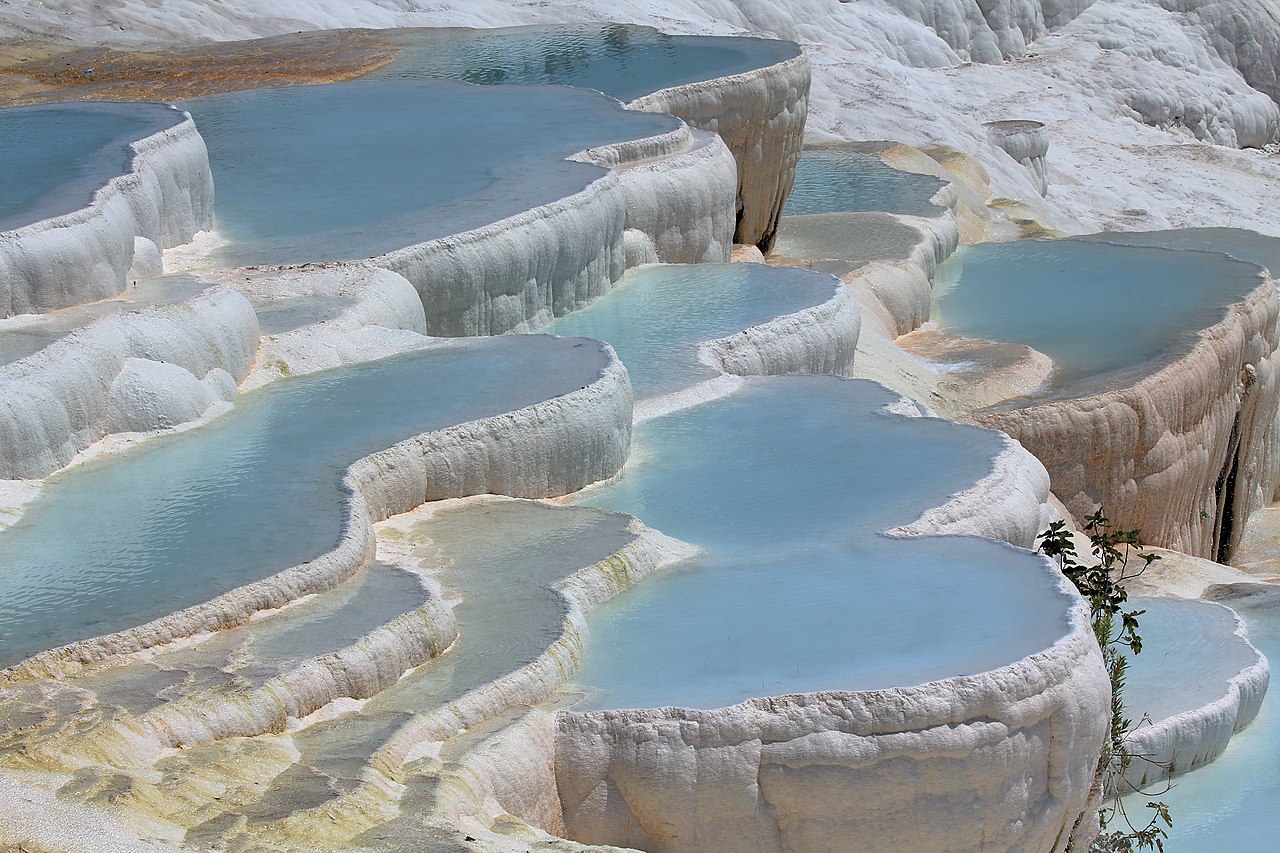
Travertine terraces of Pamukkale in Denizli Province in south-western Turkey
Image credit: Karelj · CC BY-SA 3.0 · Wikimedia Commons

In brief

A magnitude 3.9 earthquake hit the Honaz district of Denizli, Turkey, at 05:56 local time on October 7, 2026, Turkey's disaster agency AFAD reported. A series of smaller aftershocks followed within the hour, including a 3.8-magnitude tremor, but no damage or injuries have been reported so far.

Turkey's Disaster and Emergency Management Authority (AFAD) recorded a magnitude 3.9 earthquake centred in the Honaz district of Denizli province at 05:56 local time on October 7, 2026, according to AFAD data cited by NTV and Milliyet. The epicentre was placed at coordinates 37.7718 N, 29.4228 E, with a depth of 15.40 kilometres.

The tremor woke residents across Denizli, a city in southwestern Turkey, according to local news outlet Alanya Postası, which reported panic as people got out of bed suddenly. Alanya Postası put the magnitude of this quake at 4.1, higher than the 3.9 figure reported by AFAD and cited by NTV and Milliyet.

A cluster of aftershocks in Honaz

AFAD's official earthquake feed shows the Honaz quake was followed by several smaller events in the same area within about 45 minutes: a magnitude 2.1 tremor at 06:05 (depth 14.02 km), a magnitude 3.8 quake at 06:26 (depth 13.69 km), a magnitude 1.5 tremor at 06:32 (depth 7.0 km), and a magnitude 1.1 tremor at 06:41 (depth 7.0 km). Milliyet also listed the 05:56 and 06:26 events, citing AFAD measurements of 3.9 and 3.8 respectively.

Separately, AFAD recorded a smaller, magnitude 1.1 earthquake the previous day, October 6, in Denizli's Serinhisar district at 12:27, according to NTV.

No damage or injuries reported

None of the sources reviewed — NTV, Milliyet, Sabah, Türkiye Gazetesi or Alanya Postası — reported structural damage, injuries or deaths linked to the Honaz earthquakes as of the time of writing. No statement from the Denizli governor's office or municipal authorities was found in the coverage checked.

Denizli lies in a seismically active region of western Turkey, where nearby fault systems regularly produce small and moderate earthquakes. On the same morning, AFAD also recorded two separate earthquakes of magnitude 4.1 and 4.2 in Muğla province's Datça area, according to Milliyet, though these were not reported as connected to the Honaz sequence.

Earthquake sequence at a glance

Honaz, Denizli earthquakes recorded by AFAD on October 7, 2026
Time (local)MagnitudeDepth
05:563.9 MW15.40 km
06:05:142.1 ML14.02 km
06:26:523.8 MW13.69 km
06:32:171.5 ML7.0 km
06:41:061.1 ML7.0 km

Questions

How strong was the Denizli earthquake?
AFAD measured the main tremor at magnitude 3.9, centred in the Honaz district of Denizli, at 05:56 local time on October 7, 2026, a figure also cited by NTV and Milliyet. Alanya Postası reported it as magnitude 4.1.
Where exactly did the earthquake hit?
The epicentre was in Honaz district, Denizli province, at coordinates 37.7718 N, 29.4228 E, with a depth of 15.40 kilometres, according to AFAD.
Were there aftershocks?
Yes. AFAD recorded four more tremors in the same area within about 45 minutes, the largest being a magnitude 3.8 quake at 06:26.
Was there any damage or were there injuries?
No damage or injuries had been reported in the news coverage reviewed as of the time of writing.
Is Denizli prone to earthquakes?
Denizli sits in a seismically active part of western Turkey, and AFAD's live data shows frequent small tremors in districts such as Honaz and Serinhisar.

Sources

  1. AFAD — Last Earthquakes data feed
  2. NTV — Son dakika: Denizli'de deprem mi oldu? (07 Ekim 2026)
  3. Milliyet — Son depremler listesi (7 Ekim)
  4. Sabah — Son dakika deprem: Denizli'de deprem mi oldu?
  5. Türkiye Gazetesi — Denizli'de korkutan deprem! AFAD duyurdu
  6. Alanya Postası — Son dakika: Denizli'de deprem oldu

This piece was prepared with artificial intelligence and passed an automated source check before publication. If you see an error, ask for a correction. Request a correction or reply · How we make this

Related