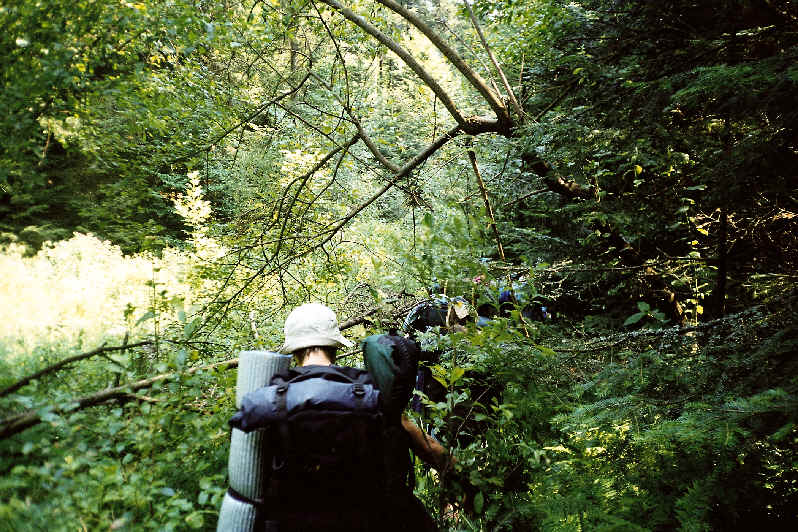
Mountain hiking draws year-round interest from people planning their first trip to the trail. Outdoor-safety organisations in the United States — the National Park Service (NPS), the Washington Trails Association (WTA) and the American Hiking Society — publish detailed, free guidance on how to prepare for a hike, covering trail selection, gear, clothing, water and food, and trip planning. Their recommendations are consistent across sources.
Start with a trail that matches your fitness, not your ambition
The American Hiking Society advises beginners to plan hikes based on their current fitness level rather than the level they hope to reach. The organisation recommends starting with shorter, lower-elevation routes and only moving to a more demanding trail once a previous hike felt comfortable. Turning back is presented as an acceptable option if conditions become too difficult, a point the Washington Trails Association (WTA) echoes, stating that it is never the wrong decision to turn around in unsafe conditions.
Before choosing a route, the National Park Service (NPS) recommends assessing personal experience, physical fitness, ability to carry equipment over the terrain, and tolerance for elevation. WTA adds that hikers should check trip reports and current trail conditions, and should have a backup, easier trail in mind in case weather or conditions change.
Pack the "10 Essentials" before every hike
Both the NPS and WTA organise their safety advice around a list known as the 10 Essentials, a set of gear categories considered a mandatory minimum for outdoor recreation, even on a short day hike.
The 10 Essentials for hiking (NPS / WTA / American Hiking Society)| Category | What it includes |
|---|
| Navigation | Map, compass and GPS device |
|---|
| Sun protection | Sunglasses, sunscreen and a hat |
|---|
| Insulation / extra clothing | Jacket, hat, gloves, rain shell and other layers for changing weather |
|---|
| Illumination | Flashlight or headlamp, with extra batteries |
|---|
| First-aid supplies | A kit for minor injuries, customised to personal medical needs |
|---|
| Fire | Matches or lighter plus fire starters |
|---|
| Repair kit and tools | Duct tape, knife, multi-tool, scissors |
|---|
| Nutrition | Extra food beyond what you expect to eat |
|---|
| Hydration | Water plus water-treatment supplies; drink before feeling thirsty |
|---|
| Emergency shelter | Tent, tarp, bivy sack or emergency space blanket |
|---|
WTA recommends practising with gear at home before heading out, so hikers are not learning how a headlamp or water filter works for the first time in the field.
Clothing and footwear
The American Hiking Society advises dressing in layers made of moisture-wicking materials such as polyester, wool or nylon, and avoiding cotton and heavy fabrics like denim because they hold moisture and dry slowly. The organisation says it is always fine to bring extra layers so hikers can adjust to changing temperature and activity level during a hike.
The NPS lists footwear choice among its basic planning essentials: sturdy, rubber-soled hiking boots with ankle support for dirt and gravel trails, versus tennis or athletic shoes for paved, urban pathways. The NPS advises against heels, open-toed shoes or flip-flops on the trail.
Water and food on the trail
The NPS advises hikers to think about how much water they will need for the day, particularly in hot weather, and to check whether reliable water sources exist along the route. It recommends carrying extra water or water-treatment supplies rather than relying on a single source, and to drink water often, before feeling thirsty. Hydration and nutrition are both listed among the 10 Essentials that NPS and WTA treat as a baseline for any hike, short or long.
Tell someone your plan, and don't rely only on your phone
Both the NPS and WTA stress leaving a trip plan with someone not joining the hike: destination, planned route, group members, and expected departure and return times. The NPS specifically warns hikers not to rely on cell phones alone, since many parks have little or no cellular coverage, and suggests carrying a personal locator beacon as a backup way to call for help. WTA adds that in remote areas, satellite communication devices such as inReach or Spot units can summon help when there is no phone signal.
Weather and wildlife
The NPS recommends checking weather forecasts before departure and having a backup plan if conditions turn unfavourable, along with monitoring park alerts for trail closures or wildfire risk. For wildlife, WTA advises keeping distance from all animals and never feeding them, noting that hikers are far more likely to encounter mosquitoes than larger animals such as moose.
Basic preparation checklist
- Choose a trail that matches your current fitness level and check recent trip reports and weather
- Pack the 10 Essentials, including navigation, extra water, food, first aid, and emergency shelter
- Dress in moisture-wicking layers and choose footwear suited to the terrain, avoiding cotton and denim
- Leave your route, group details and expected return time with someone not on the hike
- Carry a backup communication option, such as a personal locator beacon or satellite device, where cell coverage is unreliable
- Drink water before you feel thirsty and carry extra food and water-treatment supplies
- Watch the weather and be willing to turn back if conditions worsen
Questions
- What are the "10 Essentials" for hiking?
- They are ten gear categories the NPS, WTA and American Hiking Society treat as a mandatory minimum for any hike: navigation, sun protection, extra clothing/insulation, illumination, first aid, fire starter, repair tools, nutrition, hydration and emergency shelter.
- How much water should a beginner hiker carry?
- The NPS does not give a single fixed amount; it advises hikers to think about how much water they will need for the day, especially in hot weather, to check whether reliable water sources exist on the route, and to carry extra water or water-treatment supplies rather than relying on one source.
- Should beginners wear cotton clothing while hiking?
- No. The American Hiking Society advises against cotton and denim because they hold moisture and dry slowly; moisture-wicking polyester, wool or nylon layers are recommended instead.
- Is it safe to rely only on a cell phone for emergencies on the trail?
- The NPS advises against relying solely on a cell phone, since many parks have little or no cellular coverage, and recommends a personal locator beacon or, per WTA, a satellite communicator as backup.
- What should a beginner do if a trail feels too difficult?
- Both the American Hiking Society and WTA say turning back is an acceptable decision; WTA states it is never the wrong choice to turn around in unsafe conditions.
This piece was prepared with artificial intelligence and passed an automated source check before publication. If you see an error, ask for a correction. Request a correction or reply · How we make this