Scientists say warmer oceans and a moisture-rich atmosphere are pushing monsoon rainfall beyond historical norms across South and Southeast Asia. A rapid attribution study found the rain that flooded Bangkok in September 2026 was 20-25% heavier than it would have been before 1988, while similar studies link far larger rainfall jumps to deadly floods in Sri Lanka and Indonesia months earlier.
What happened in Bangkok in September 2026
A tropical depression that formed over Cambodia on 24 September 2026 combined with an active monsoon to drop more than 300 millimetres (about 12 inches) of rain on parts of Bangkok over roughly a week, according to Wikipedia's account of the event. Thai authorities declared all 50 of Bangkok's districts disaster zones, and flooding was reported across 25 provinces, affecting more than 500,000 people.
The flooding killed 40 people in Thailand, through drowning, electrocution and failed evacuations, and caused more than 11 billion baht (over US$327 million) in damage. Suvarnabhumi Airport faced baggage backlogs from staff shortages, Toyota closed four plants, and over 400 schools shut. Officials described it as the worst flooding to hit Bangkok in 15 years.
Why a warmer atmosphere means heavier rain
Warmer air and warmer seas can hold and release more moisture, which is why researchers who study the South Asian monsoon say rising temperatures are shifting both the timing and the intensity of seasonal rains across a region of roughly two billion people, according to reporting by Environmental Health News (EHN). Rapid urbanization and the loss of natural floodplains are compounding the effect in cities, the same reporting notes.
If we continue with business as usual … there will be more intense rain and floods. At some point, we could go beyond the limits of adaptation.
— Miriam Jackson, glaciologist, International Cryosphere Climate Initiative (via EHN)
For the Bangkok floods specifically, a rapid-assessment study by researchers at CNRS, Italy's National Institute of Geophysics and Volcanology, the University of Oxford and the University of Sheffield, published through the ClimaMeter initiative, compared the September 2026 weather pattern with conditions recorded between 1950 and 1987. They found the type of low-pressure system that caused the floods now produces around 20-25% heavier rainfall and roughly 30% stronger winds over the Gulf of Thailand and its coasts than it would have under the older climate baseline.
The same study estimated that about 5% of the rain-related damage from the floods could be attributed to human-driven climate change, but it assigned low confidence to that figure because the low-pressure system behind the floods was an unusually rare and exceptional pattern, which makes it harder for models to isolate climate change's contribution. The researchers estimated that around 14 million people and $134 billion in economic activity were exposed in the affected area.
Not an isolated case: Sri Lanka and Indonesia
Months before Bangkok flooded, two tropical storms combined with monsoon rains in November 2025 to cause floods that killed more than 600 people in Sri Lanka and nearly 1,000 in Indonesia, according to a rapid attribution study involving researchers from Imperial College London and the Royal Netherlands Meteorological Institute, reported by Phys.org. Lead author Sarah Kew of the Royal Netherlands Meteorological Institute said monsoon rain itself is normal for the region, but the growing intensity of these storms is creating unprecedented danger for exposed populations.
Researcher Mariam Zachariah, quoted in the same report, said heavy rainfall events in Sri Lanka are now roughly 28-160% more intense because of warming that has already occurred. In the Malacca Strait area affecting Indonesia, the study found extreme rainfall had increased by 9-50%. Scientists also pointed to La Niña, the Indian Ocean Dipole, deforestation and local geography as additional factors that amplified the two disasters alongside climate change.
Monsoon-linked flood events and the rainfall increase studies attributed to warming
Attribution scientists are careful to separate climate change from other drivers that worsen flood outcomes. The EHN report notes that accelerating glacial melt in the Himalayas is putting hundreds of high-altitude glacial lakes at risk of overflowing onto downstream communities, a hazard distinct from monsoon rainfall itself. In coastal cities like Bangkok and in parts of Indonesia and Sri Lanka, rapid construction on former floodplains and wetlands reduces natural drainage, so the same rainfall produces worse flooding than it would have decades ago.
The Phys.org report on the Sri Lanka and Indonesia floods also highlighted natural climate cycles, such as La Niña and the Indian Ocean Dipole, as contributors that can combine with long-term warming to produce an especially severe monsoon season in a given year, making it harder to say in advance how bad any single season will be.
Questions
Did climate change cause the 2026 Bangkok floods?
A rapid attribution study found climate change made the rainfall 20-25% heavier and the winds about 30% stronger than they would have been before 1988, and attributed roughly 5% of the resulting damage to human-driven warming, but researchers assigned low confidence to that estimate because the weather pattern was historically rare.
How many people died in the September 2026 Bangkok floods?
Wikipedia's account states 40 people died in Thailand from drowning, electrocution and failed evacuations, with more than 500,000 people affected across 25 provinces and all 50 Bangkok districts declared disaster zones.
How much more intense is monsoon rainfall becoming elsewhere in Asia?
A separate rapid attribution study on November 2025 floods found heavy rainfall in Sri Lanka was 28-160% more intense due to warming, while extreme rainfall in the Malacca Strait region near Indonesia rose 9-50%, according to Phys.org's report on the study.
What other factors besides climate change raise flood risk in Asian cities?
Researchers cited in Environmental Health News point to rapid urbanization and loss of floodplains, while the Phys.org report on the Sri Lanka and Indonesia floods also names La Niña, the Indian Ocean Dipole and deforestation as contributing factors alongside climate change.
Is this only a South Asia problem?
No. The mechanism — warmer oceans and atmosphere holding more moisture — is documented both in South Asian countries like India, Pakistan and Nepal (per EHN) and in Southeast Asian events in Thailand, Sri Lanka and Indonesia (per the ClimaMeter and Phys.org-reported studies).
This piece was prepared with artificial intelligence and passed an automated source check before publication. If you see an error, ask for a correction. Request a correction or reply · How we make this
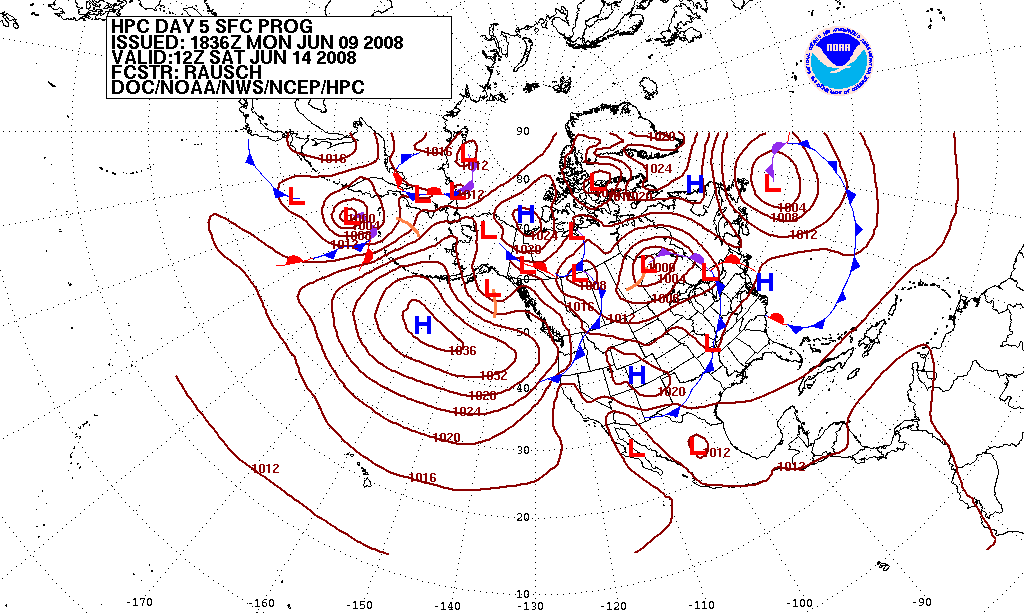
Modern weather forecasts are produced by feeding billions of daily observations into supercomputers that solve physics equations on a global grid, a process called numerical weather prediction. Forecasters then run the model many times with slightly varied starting conditions — an "ensemble" — to gauge how confident a prediction is. Because the atmosphere is chaotic, forecasts lose reliability after roughly 9 to 15 days, according to researchers and national weather agencies.
Brazil's Amazonas state recorded 1,380 forest fire hotspots between October 1 and 10, 2026, a 271% rise from the 372 hotspots counted in the same period of 2025. Governor Roberto Cidade declared a state emergency, and the federal government recognized emergency status in 36 municipalities on October 10, releasing aircraft, firefighters and funds to fight the blazes.
A historically strong El Niño is the dominant signal behind winter 2026-2027, with NOAA's Climate Prediction Center giving it up to an 83% chance of record strength. Forecasters in the US and Europe expect a milder, wetter and stormier season overall, though short cold spells remain possible. Below is what agencies say so far, plus official steps for winterizing a home and car.
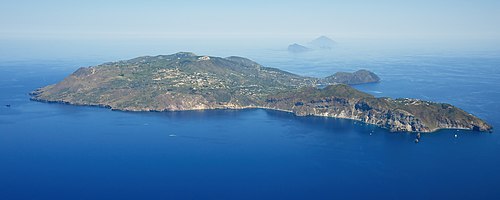
Overnight storms into October 10, 2026 triggered flooding, overflowing streams and landslides across southern Italy, with the worst damage reported on the Sicilian island of Lipari and in Calabria's Reggio area. Italy's Civil Protection Department had issued an orange weather alert for Sicily and parts of Calabria, Puglia and Campania, as mud and debris swept into homes, streets and the sea.