Fiorello returned to Rai 1 prime time on October 18, 2026, after a 15-year absence, with a secretive 15-minute variety segment staged inside the TG1 newsroom. His comeback has drawn attention back to a tradition that began with 1950s quiz shows like "Lascia o raddoppia?" and has long shaped shared Italian popular culture.
A 15-minute show built around secrecy
On Sunday, October 18, 2026, entertainer Fiorello appeared on Rai 1 in prime time for the first time in 15 years, according to Il Fatto Quotidiano. The segment, titled "Tg1 edizione più che straordinaria," aired at around 8:30 p.m., right after the evening news bulletin, and lasted roughly 15 minutes before the game show Affari Tuoi began, Il Fatto Quotidiano and Kiss Kiss reported.
ANSA noted it was the first time a show had occupied the TG1 newsroom studio at Rai's Saxa Rubra production centre in Rome, rather than a traditional variety-show set. Fiorello co-hosted with longtime collaborator Fabrizio Biggio, and the broadcast featured singers Annalisa and Gigi D'Alessio, comic performer TonyPitony, a live orchestra conducted by Enrico Cremonesi, dancers choreographed by Luca Tommassini, and TG1 news anchors Giorgia Cardinaletti and Laura Chimenti taking part in the sketches, Kiss Kiss reported.
Neither the title, the content nor the studio location had been confirmed beforehand. Fiorello explained that promoting a show today matters almost more than the show itself, according to Il Fatto Quotidiano, framing the secrecy as a deliberate strategy rather than an accident.
Italian TV has become lazy, you always see the same schedules and the same shows.
— Fiorello, quoted by Il Fatto Quotidiano
The segment also announced the return of Fiorello's long-running radio format "La Pennicanza" on Radio2 and teased a new Rai 1 late-slot program called "La Nottatanza," Kiss Kiss reported, with an on-screen "to be continued" suggesting the experiment could recur.
From Lascia o raddoppia? to Fiorello: six decades of light entertainment
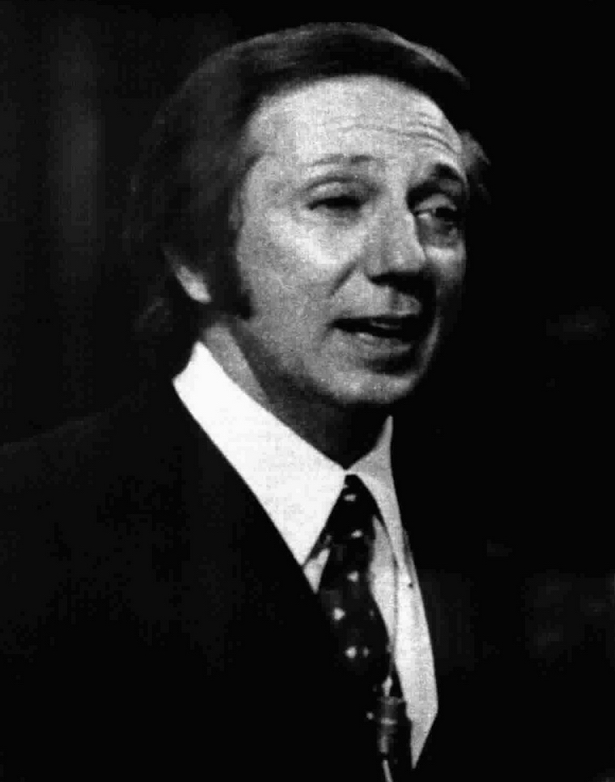
The Fiorello broadcast sits within a much older tradition of Italian light entertainment television. Italy's public broadcaster Rai began official transmissions in 1954, and quiz show host Mike Bongiorno appeared on the very first broadcast, hosting a program called "Arrivi e partenze," according to his English-language Wikipedia profile. Bongiorno went on to host "Lascia o raddoppia?" (1955–1959), an Italian adaptation of the U.S. program "The $64,000 Question."
Bongiorno's later quiz show "Rischiatutto" (1970–1974), modeled on "Jeopardy!," drew an estimated 20 to 30 million viewers on Thursday nights, according to Wikipedia, which describes it as the highest television audience in Italian history. Semiotician Umberto Eco published an essay in 1963 analyzing how Bongiorno's deliberately "average" on-screen persona made audiences feel intellectually superior while still watching, a rare academic treatment of a quiz show host at the time.
Why game shows became a unifying ritual
Italy Chronicles argues that Bongiorno's broadcasts had an effect that politicians and reformers had struggled to achieve: because he hosted in standard Italian rather than regional dialect, his shows helped push viewers from Pisa to Palermo toward a shared national language, at a time when dialects still dominated everyday speech. In the 1950s, television sets were scarce, and Italians often gathered in bars — among the few public places with a set — to watch together, turning quiz nights into collective social events.
Academic research summarized by the View Journal describes this period, roughly 1954 to 1979, as an "age of scarcity," when Rai held a public monopoly and quiz shows were designed to "entertain while educating," turning single weekly broadcasts into major cultural rituals.
Three ages of Italian quiz and game show television
Phases of Italian quiz-show television (View Journal / viewjournal.eu)
Period
Years
Characteristics
Age of scarcity
1954–1979
Rai public monopoly; weekly prime-time events; educational mission alongside entertainment
Age of availability
1980–2003
Commercial competition after deregulation; daily quiz shows fill multiple time slots; less of a singular event
Age of plenty
2003–2013
Shows settle into fixed early-evening slots before the main news; scheduling consistency rather than special occasions
The View Journal analysis notes that while formats and production methods changed dramatically — writing and casting became specialized professional roles rather than tasks handled by one or two people — the core appeal of charismatic hosts, strong contestant personalities and variety-show elements stayed constant across all three periods.
Why Fiorello's return matters within this tradition
Fiorello's brief, unannounced appearance did not use the quiz-show format itself, but it borrowed directly from the variety hybrid that Italian television scholars trace back to the 1950s: a single charismatic host, music guests, sketches and an invented sense of event television squeezed into a prime-time slot ahead of an established game show, Affari Tuoi. His remark that Italian television has become repetitive, reported by Il Fatto Quotidiano, places his comeback explicitly in conversation with that older tradition rather than apart from it.
Whether "La Nottatanza" becomes a recurring program remains unconfirmed; Rai and Fiorello had not released further scheduling details as of the October 18 broadcast, according to Kiss Kiss and Il Fatto Quotidiano.
Questions
When did Fiorello return to Rai 1 and what was the show called?
He appeared on Sunday, October 18, 2026, in a roughly 15-minute segment titled "Tg1 edizione più che straordinaria," broadcast from the TG1 newsroom studio right after the evening news, according to Il Fatto Quotidiano and ANSA.
Who appeared alongside Fiorello in the show?
Co-host Fabrizio Biggio, singers Annalisa and Gigi D'Alessio, comic performer TonyPitony, and TG1 anchors Giorgia Cardinaletti and Laura Chimenti all took part, according to Kiss Kiss.
Why is Mike Bongiorno considered central to Italian TV history?
Bongiorno appeared on Rai's first official broadcast in 1954 and hosted hit quiz shows including "Lascia o raddoppia?" and "Rischiatutto," drawing tens of millions of viewers; Italy Chronicles credits his Italian-language broadcasts with helping unify a dialect-divided country.
What are the three historical phases of Italian quiz-show television?
Academic analysis in the View Journal identifies an "age of scarcity" (1954–1979) under Rai's monopoly, an "age of availability" (1980–2003) after commercial deregulation, and an "age of plenty" (2003–2013) when shows settled into fixed evening slots.
Is Fiorello's new show confirmed to continue?
As of the October 18 broadcast, Rai had not confirmed further episodes; the segment ended with an on-screen "to be continued" and teased an upcoming program called "La Nottatanza," according to Kiss Kiss and Il Fatto Quotidiano.
How the world is telling it
ItalianItalian outlets such as Il Fatto Quotidiano, ANSA and Kiss Kiss framed Fiorello's appearance as a deliberately mysterious media event, emphasizing the secrecy around the show's content and location as part of his critique that Italian television schedules have grown repetitive.
This piece was prepared with artificial intelligence and passed an automated source check before publication. If you see an error, ask for a correction. Request a correction or reply · How we make this
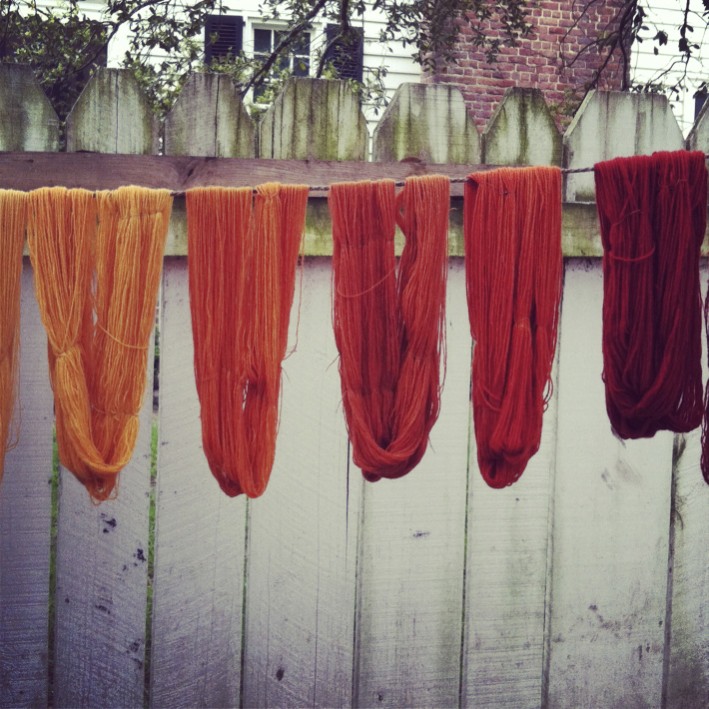
Before the mid-1800s, every dyed textile in the world owed its color to a plant, insect or mineral, according to the Smithsonian Libraries. From Indian indigo cakes to Andean cochineal and Japanese fermented sukumo, communities developed distinct, labor-intensive methods that still inform craft and fashion today.
Swiss schlager singer Vincent Gross won the 13th season of Germany's "The Masked Singer" on October 21, 2026, competing under the bull costume "Fernando El Toro." He beat runners-up Anna-Carina Woitschack ("Wild Thing") and Joey Heindle ("P.S.") in the ProSieben finale, which also saw the trophy accidentally break on stage.
Classical concerts and opera follow a small set of consistent customs: arrive early, there is usually no required dress code, phones stay off, and applause is saved for the end of a complete work rather than between movements. This guide walks through the basic musical forms, the opera vocabulary you'll hear, and a step-by-step look at what actually happens once you take your seat.
Photography genres range from portraiture and landscapes to documentary and macro work, each built on the same core technical foundation: the exposure triangle of aperture, shutter speed and ISO. Building skill in any genre combines mastering those settings, applying composition techniques such as the rule of thirds and leading lines, and running structured practice projects with feedback.