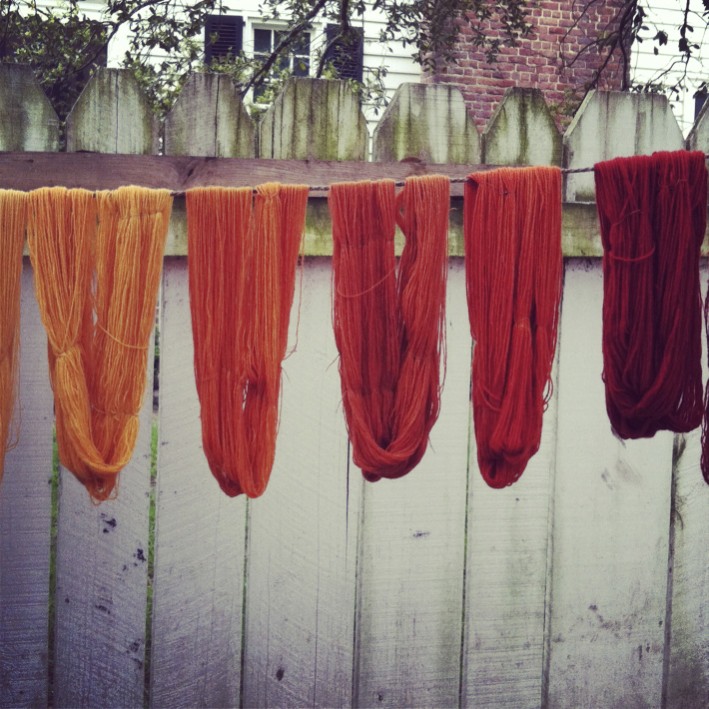
Until the mid-1800s, all textile dyes came from natural sources — insects, roots or minerals — and producing them was difficult and expensive, according to the Smithsonian Libraries' exhibition on the history of color. The arrival of synthetic dyes in the second half of the 19th century ended millennia of dependence on these labor-intensive natural processes, but the underlying techniques never disappeared. They survive today in craft workshops, museum collections and a renewed interest in sustainable textile production.
Blue from a Leaf: Indigo in India and Japan
In India, indigo dye is extracted from the leaves of the Indigofera plant before it flowers, according to Garland Magazine. Leaves are soaked in water and agitated to release a blue liquid; the sediment is then filtered, pressed into cakes and dried for storage and trade. Evidence of dyed textiles in the Indian subcontinent dates to the second millennium BCE at Mohenjo-Daro, and indigo traces have also been found in Egyptian tombs from the late Bronze Age, Garland Magazine reports. During the colonial era, Bengal became a major center of indigo production under British rule before synthetic dyes displaced the natural trade in the late 19th century.
Japan developed a separate indigo tradition built around fermentation rather than simple soaking. According to Japan Travel, the Japanese indigo plant (Persicaria tinctoria) is harvested and its leaves are fermented for roughly three months to produce sukumo, the base material for dye. Artisans then mix sukumo with wood ash, sake and wheat bran to create an alkaline environment that activates the microorganisms needed to develop color — a process known as lye fermentation. Indigo dyeing in Tokushima prefecture, branded historically as "Awa-ai," dates back nearly 800 years, and the region became Japan's primary indigo producer, with more than 2,000 farmers involved during peak production, Japan Travel states.
Red from Roots and Insects
Red dyes across cultures came from two very different sources: plant roots and insects. In India, Garland Magazine reports, madder red is derived from the roots of Rubia cordifolia, harvested when the plant is two to five years old, then cleaned and crushed into powder. Lac, a burgundy dye, comes from resin secreted by lac insects (Kerria lacca and Laccifer lacca); the word "lac" derives from the Sanskrit "laksha," meaning 100,000 — a reference to the number of insects required for production.
In the Andes, cochineal — a scale insect that lives on prickly pear cacti — produced one of the most prized reds in history. According to Andean Textile Arts, cochineal (Dactylopius coccus) originated in the Andean regions of present-day Peru, Argentina and Bolivia, and its use as a dye dates back to at least 2300 BCE, with evidence in Nasca-period textiles found at Paracas, Peru. Andean societies developed techniques combining local water, natural alum crystals and citric acid to vary the resulting hues, and cochineal was valuable enough to be incorporated into tribute and taxation systems under Inca rule, the organization reports.
After the Spanish arrived in the Americas, cochineal became a major export commodity. Andean Textile Arts states that by 1557, Spain was exporting roughly 50,000 pounds of cochineal annually to Europe, making it the empire's second most valuable export after silver and giving Spain a dye monopoly that lasted more than 150 years. Peru remains the world's leading cochineal producer today, exporting more than 420 tons a year, according to the same source.
Purple From the Sea
Some of the rarest natural dyes came from marine life. The Smithsonian Libraries' exhibition notes that sea snails found around the world were poked or crushed to secrete a substance used for purple dye as early as 1570 BC, and that thousands of snails were needed to color a single robe — making purple dye more valuable than silver for centuries and restricting its use largely to royalty. The exhibition also points to a living continuation of this practice: Mixtec weavers in Oaxaca, Mexico, still color locally grown cotton using natural dyes, including a rare purple called tixinda extracted from the Plicopurpura pansa mollusk.
Natural dye sources by region| Dye | Color | Source material | Region/tradition |
|---|
| Indigo (Indigofera) | Blue | Fermented leaves | India |
|---|
| Sukumo indigo | Blue | Fermented Persicaria tinctoria leaves | Japan (Tokushima) |
|---|
| Madder (Rubia cordifolia) | Red | Crushed root | India |
|---|
| Lac | Burgundy | Insect resin (Kerria lacca) | India |
|---|
| Cochineal | Red | Dried scale insects | Andes / Peru |
|---|
| Sea snail purple | Purple | Mollusk secretion | Mediterranean; Mixtec, Oaxaca |
|---|
Why These Techniques Still Matter
Natural dyes were tied to local ecology — the specific plants, insects or minerals available in a region — which helped give textile traditions their distinct regional identities, as both the Smithsonian Libraries and Garland Magazine note in describing their respective case studies. Techniques such as mordanting, where alum or other substances are used to fix color to fiber, and resist-dyeing, where parts of a textile are blocked from absorbing dye to create patterns, remain foundational methods in natural dyeing described by Garland Magazine's account of Indian textile practice. Contemporary artisans in Oaxaca, Tokushima and the Andes continue to use historical methods, in some cases for craft tourism and heritage preservation, and in others as part of ongoing commercial production, such as Peru's cochineal export industry.
Questions
- What were the main natural dye colors used before synthetic dyes?
- Blue mainly came from indigo plants (India, Japan and elsewhere), red came from roots such as madder or insects such as lac and cochineal, and purple came from sea snail secretions, according to Garland Magazine and the Smithsonian Libraries.
- How is Japanese indigo dye (sukumo) made?
- Leaves of the Persicaria tinctoria plant are fermented for about three months to produce sukumo, which is then mixed with wood ash, sake and wheat bran to create the alkaline conditions needed for dyeing, according to Japan Travel.
- Why was cochineal so valuable historically?
- Cochineal produced an intense red that Andean societies used in tribute systems under Inca rule; after Spanish colonization, it became Spain's second most valuable export after silver, with about 50,000 pounds shipped to Europe annually by 1557, according to Andean Textile Arts.
- When did synthetic dyes replace natural ones?
- Synthetic dye production began in the mid-1800s, and by the late 19th century it had largely replaced natural dyes in major textile industries, including India's indigo trade, according to the Smithsonian Libraries and Garland Magazine.
- Are natural dyeing techniques still practiced today?
- Yes — examples include Mixtec weavers in Oaxaca using mollusk-derived purple dye, indigo farmers and artisans in Tokushima, Japan, and Peru's cochineal export industry, which today supplies the large majority of world demand, according to the Smithsonian Libraries, Japan Travel and Andean Textile Arts.
This piece was prepared with artificial intelligence and passed an automated source check before publication. If you see an error, ask for a correction. Request a correction or reply · How we make this