Gaming · Glossary
Video Game Genres Explained: How Games Are Classified and What to Play
Published:
In brief
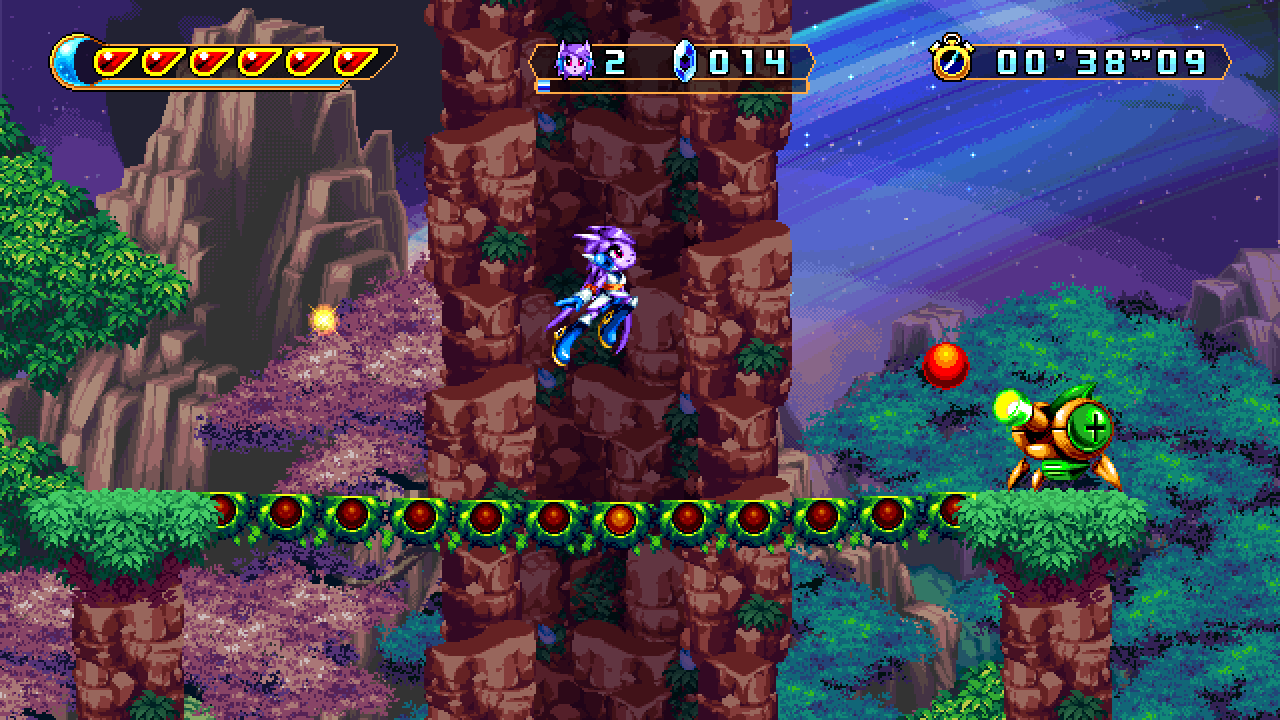
A video game genre classifies a game by how it is played — its core mechanics and objectives — not by its setting or story. The widely used main categories are action, adventure, role-playing, strategy, simulation, sports and puzzle, and most modern titles combine several of them. Global survey data shows action and puzzle games are the top two favored genres in nearly every country measured.
What a Video Game Genre Actually Means
According to Wikipedia's entry on video game genres, a genre is an informal classification based on how a game is played rather than on its visual style or story. This is different from film or book genres: a shooter stays a shooter whether it is set in a fantasy castle or on a modern battlefield, because the label describes the interaction — aiming and firing at range — not the theme.
Genre names usually form through shared understanding between players and developers, often combining a player's perspective (first-person, top-down) with the main objective (shoot, build, solve). A single game can belong to several genres at once, which is why hybrid labels such as 'action-RPG' or 'survival-horror' exist.
Origin of the Idea
The classification approach grew alongside the medium itself. Wikipedia's list of video game genres traces one of the oldest categories, adventure games, back to Colossal Cave Adventure, a text-based game from the 1970s that let players type commands to explore and solve puzzles — a mechanic-first format that set the template for sorting later games by what players actually do rather than by their setting.
The Main Genre Categories
| Genre | Core mechanic | Example subgenres |
|---|---|---|
| Action | Physical/reflex challenges requiring hand-eye coordination | Platformer, shooter, fighting, beat 'em up |
| Action-adventure | Action mixed with long-term obstacles solved via tools or items | Metroidvania, survival horror |
| Adventure | Exploration and problem-solving driven by narrative | Graphic adventure, visual novel, interactive movie |
| Role-playing (RPG) | Character growth and choices, derived from tabletop RPGs | Action RPG, CRPG, MMORPG, roguelike |
| Strategy | Tactical planning and resource management | 4X, tower defense, real-time strategy |
| Simulation | Modeling a real or fictional system closely | Life simulation, vehicle simulation, construction/management |
| Puzzle | Logic, pattern recognition and sequence-solving | Tile-matching, hidden object, physics puzzle |
| Sports | Replicating athletic competition or racing | Racing games, team sports simulations |
How Platforms Use Genre Labels
Storefronts rely on these categories to help players filter games. Steam's own tag-browsing page lists Action, Adventure, Casual, Simulation, Strategy and RPG among its most frequently applied tags, alongside non-genre labels like Indie, Singleplayer and Early Access that describe production or play mode rather than gameplay type.
Which Genres Are Most Played Worldwide
The Entertainment Software Association's Power of Play 2025 global report surveyed 24,216 active gamers — people who play at least one hour per week — across 21 countries on six continents, with a minimum of 1,000 respondents per country, through the research firm AudienceNet.
Action and puzzle games are the top two favored genres in 20 of the 21 countries surveyed.
The same report put the average player's age at 41 worldwide, with China showing the youngest average age (32) and Italy the oldest (50). Globally, players were 51% male and 48% female according to the report, and mobile devices were used by 55% of players surveyed — a sign that genre choice today spans far beyond traditional console or PC audiences.
How to Use Genre to Pick a Game
- Start from the mechanic you enjoy, not the setting: if you like figuring things out, puzzle or adventure fits better than a shooter in the same fantasy world.
- Expect hybrids: most releases blend genres, so a store description like 'action RPG' or 'survival sandbox' tells you which two mechanics to expect.
- Use storefront tags (Steam, console shops) as a quick filter, then check reviews for how heavily each tag actually applies.
- Remember setting is not genre: 'medieval', 'sci-fi' or 'horror' describe theme, and can appear across action, adventure, strategy or puzzle games alike.
Questions
- What exactly is a video game genre?
- It is a classification based on how a game is played — its core mechanics and objectives — rather than its setting, story or visual style, according to Wikipedia's entry on video game genres.
- How is genre different from a game's setting or theme?
- Genre describes the interaction, such as aiming at range in a shooter, while setting describes the world or story; the same genre can appear in a medieval, sci-fi or modern theme without changing the gameplay classification.
- What are the most popular video game genres worldwide?
- The ESA's Power of Play 2025 global report, based on 24,216 respondents in 21 countries, found action and puzzle games were the top two favored genres in 20 of the 21 countries surveyed.
- Can a game belong to more than one genre?
- Yes. Hybrid labels like action-RPG or survival horror exist because a single title often combines mechanics from two or more main genre categories, as described on Wikipedia's video game genre pages.
- How do storefronts like Steam categorize games?
- Steam applies frequently used tags such as Action, Adventure, Simulation, Strategy and RPG alongside non-genre labels like Indie or Early Access, based on the platform's own tag-browsing page.
Sources
This piece was prepared with artificial intelligence and passed an automated source check before publication. If you see an error, ask for a correction. Request a correction or reply · How we make this
Related
GamingNews
GTA 6 Launch Day Estimated to Cost US Economy $1 Billion — But the Math Is Disputed
An estimate circulating ahead of Grand Theft Auto VI's November 19, 2026 launch claims US employers could lose $1 billion in productivity as roughly 1.5 million workers skip work. The figure, credited to Spanish economist José García Montalvo, has been reported by multiple outlets but is not an official economic study, and some outlets say its own arithmetic does not add up.

GamingGuide
How to Play Chess: A Beginner's Guide to Rules, Pieces and Strategy
Chess is played by two players on a 64-square board, each starting with 16 pieces, and the goal is to checkmate the opponent's king so it cannot escape attack. This guide covers how each piece moves, the special rules of castling, en passant and promotion, and basic opening strategy, based on the official FIDE Laws of Chess and Chess.com's beginner guide.
GamingGuide
How to Start a Tabletop RPG: D&D Character Creation and Basic Rules
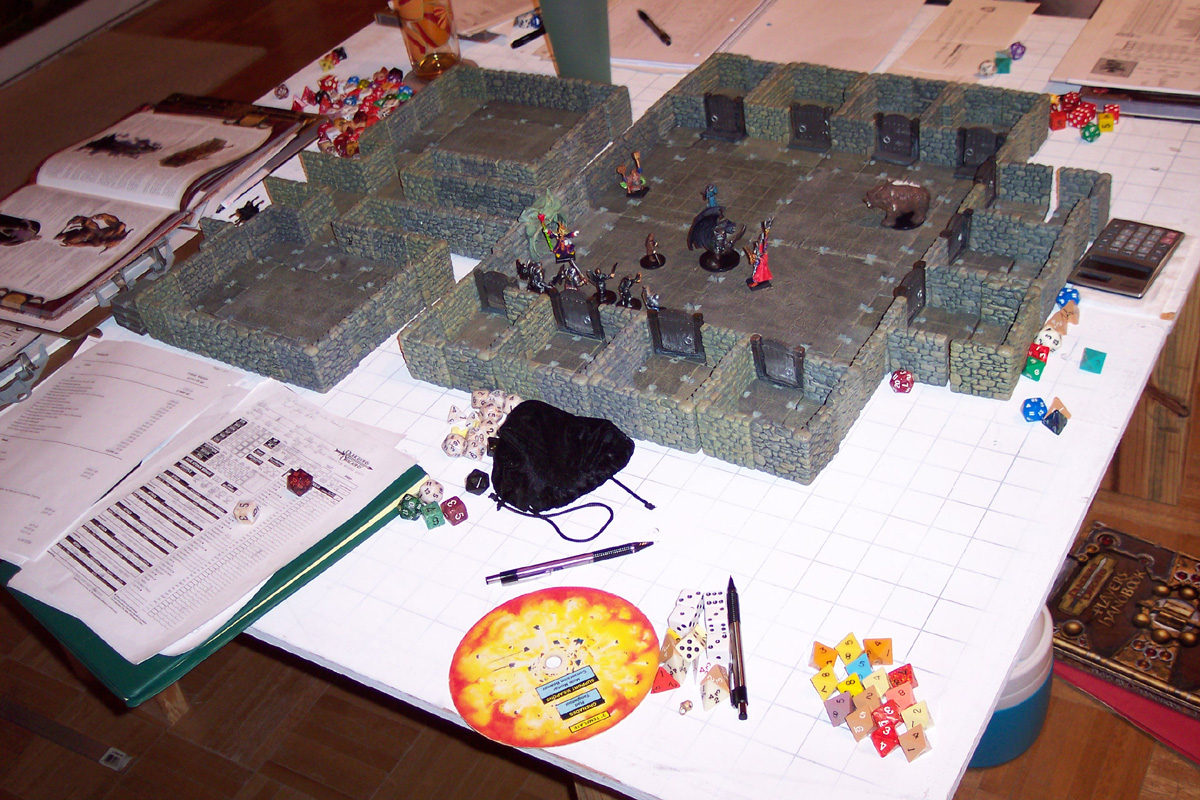
To start a tabletop role-playing game like Dungeons & Dragons, you need a rules source, a character sheet and dice, then build a character in a handful of steps before a Game Master guides the group through a scene-decide-resolve loop. This guide walks through D&D's official character-creation steps and lists simpler alternative systems recommended for first-time Game Masters.
GamingNews
Call of Duty: Modern Warfare 4: New Gameplay Mechanics and Tech, Explained
Call of Duty: Modern Warfare 4 launched on October 23, 2026 for PlayStation 5, Xbox Series X/S, Windows PC and Nintendo Switch 2. The release adds a reworked DMZ extraction mode, bloom-free hip-fire shooting, new edge-climbing movement and a voxel-based smoke-and-weather engine built on Infinity Ward's IW 9.0, according to the developer and outlets that tested the game at launch.