Food · Guide
Asian Spices Explained: Flavor Profiles by Region, From India to Japan
Published:
In brief
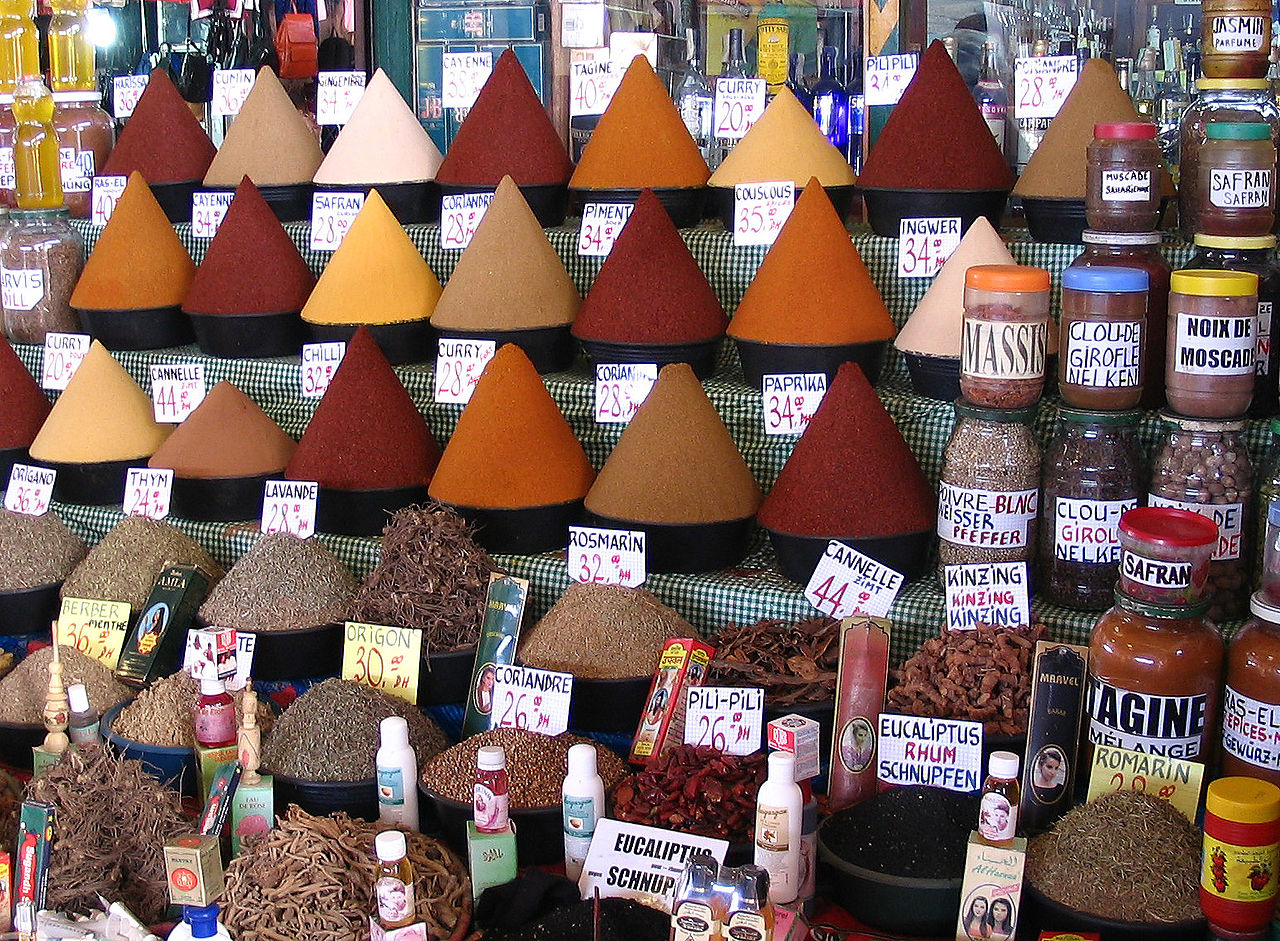
Asian cooking does not share one spice cabinet: South Asia builds dishes on ground and roasted blends such as garam masala, Southeast Asia leans on fresh aromatics like lemongrass and galangal, and East Asia favors a smaller set of pungent, fragrant seasonings such as five-spice powder and Sichuan pepper. This guide breaks down the main spices, what they taste like, and how each region actually uses them.
Asian cuisine is not a single flavor system. Spice use differs sharply between South Asia, Southeast Asia, and East Asia, shaped by local climate, trade history, and cooking method rather than one shared tradition. This guide groups the most common spices by region and explains how cooks actually use them, based on culinary references and spice guides.
South Asia: ground, roasted spice blends
Indian, Pakistani, Nepali and Bangladeshi cooking relies heavily on masalas — blends of ground or whole spices rather than single seasonings. Garam masala is the best known. According to food outlet Tasting Table, a standard version typically contains five to six spices, often including cumin, coriander, fennel, black pepper, cinnamon, clove, nutmeg and cardamom, though recipes vary widely by family and region.
The exact mix changes by region. Tasting Table reports that Kashmiri versions often favor caraway, fennel and black cardamom, while Maharashtra's blend leans on cumin and coriander. Spice supplier Phoran Masala notes that eastern India — West Bengal, Odisha and Assam — instead uses panch phoron, five whole seeds (fenugreek, nigella, cumin, black mustard and fennel) fried whole in hot mustard oil and never ground. South India, the same source notes, relies on separate masalas such as sambar masala and rasam powder, the latter heavy on black pepper and dried chili rather than the warming spices used up north.
Timing matters as much as composition. Tasting Table notes that garam masala added early in cooking infuses a dish throughout, while adding it at the end — as a finishing spice — highlights its aroma more sharply. Food writer Laura Kumin, writing on Mother Would Know, distinguishes garam masala from curry powder: the latter is a British creation from the colonial era in India, typically containing turmeric along with cumin, coriander, fenugreek and dried chili peppers, usually added early in cooking and sold as a fixed, standardized blend rather than a family or regional recipe.
Southeast Asia: fresh aromatics over dried powders
Thai, Vietnamese and neighboring cuisines depend less on dried ground spice and more on fresh aromatic ingredients used whole, pounded or sliced. A Thai herb guide published by Rice, a Washington D.C.-based Thai grocer, describes lemongrass as giving many Thai dishes a bright, citrus-herbal character; it is chopped and pounded into pastes or bruised and simmered whole in soups such as tom yum, as well as used in curries and marinades.
Galangal, a rhizome related to ginger, has a sharper and more piney flavor than ginger, according to the same guide, and cannot substitute for ginger because the two taste distinctly different. It appears in tom kha soup and curry pastes, typically sliced or ground rather than eaten raw. Kaffir lime leaves add a floral, citrusy note the guide says is not found in other ingredients; they are used in curry pastes, soups and stir-fries, with the zest and juice of the fruit used as well.
East Asia: concentrated blends and signature sensations
Chinese cooking makes wide use of five-spice powder, a blend that, per the Wikipedia entry on the seasoning, typically combines star anise, fennel seed, cloves, Chinese cinnamon and Sichuan pepper. The mixture is linked to the traditional Chinese framework of five elements and five tastes (sweet, sour, bitter, salty and savory). It is used as a dry rub for poultry and seafood, in red-cooked braises, and — per the same entry — as a marinade for broiled chicken in Vietnamese cooking.
Sichuan pepper itself is central to the "mala" (numbing-spicy) character associated with Sichuan cuisine. The cooking guide Moon and Spoon and Yum describes the peppercorn's taste as milder than black pepper but leaving "a tingling sensation on the tongue" — a sensation distinct from chili heat.
Japanese cooking uses spice more sparingly and often as a finishing touch rather than a base seasoning. Shichimi togarashi, a seven-ingredient chili blend, combines red chili flakes, sansho pepper, sesame seeds, nori, dried orange peel and other elements depending on the brand; cooking site Just One Cookbook describes its flavor as citrusy, nutty and mildly spicy with umami depth. It is sprinkled over ramen, udon, soba, rice bowls such as gyudon, and grilled or hot pot dishes rather than cooked into a dish from the start.
| Region | Key spice(s) | Flavor | Typical use |
|---|---|---|---|
| South Asia (India, Nepal, Pakistan, Bangladesh) | Garam masala, panch phoron | Warm, aromatic; varies by region (caraway/cardamom in Kashmir, mustard/fenugreek in Bengal) | Ground blend added early for depth or late as a finishing spice; panch phoron fried whole in oil |
| Southeast Asia (Thailand, Vietnam) | Lemongrass, galangal, kaffir lime leaf | Citrus-herbal, peppery-piney, floral-citrus | Used fresh, pounded into curry paste or simmered whole in soups such as tom yum and tom kha |
| East Asia – China | Five-spice powder, Sichuan pepper | Sweet-pungent blend; Sichuan pepper gives a tingling "mala" sensation | Dry rub for poultry/seafood, red-cooked braises; Sichuan pepper in Sichuan dishes |
| East Asia – Japan | Shichimi togarashi, sansho pepper | Citrusy, nutty, mildly spicy with umami | Sprinkled as a finishing condiment on noodles, rice bowls and hot pot |
How to use this guide when cooking
- Identify the dish's regional origin first — a South Asian curry, a Thai soup and a Chinese braise call for entirely different spice logic.
- For South Asian dishes, decide whether the recipe calls for a blend added early (for depth) or late (for aroma), as Tasting Table notes garam masala's effect changes with timing.
- For Southeast Asian dishes, prepare fresh aromatics such as lemongrass and galangal by pounding, slicing or bruising rather than using dried powder substitutes, per the Rice Thai herb guide.
- For Chinese dishes, use five-spice powder as a rub or marinade component rather than a long-simmered base seasoning.
- For Japanese dishes, add spice blends such as shichimi togarashi at the table or just before serving, since Just One Cookbook describes it as a finishing condiment rather than a cooking ingredient.
- Avoid direct substitutions across regions — sources note galangal cannot stand in for ginger, and curry powder is not a substitute for garam masala, since their composition and cooking timing differ.
Questions
- What is the difference between garam masala and curry powder?
- Garam masala is a traditional Indian blend with no single fixed recipe, varying by region and family, and is often added near the end of cooking as a finishing spice. Curry powder is a British invention from the colonial era with a standardized recipe, typically containing turmeric along with cumin, coriander, fenugreek and dried chili peppers, and is usually added early in cooking, according to Mother Would Know.
- Can ginger replace galangal in Thai recipes?
- No. The Rice Thai herb guide states galangal has a sharper, more piney flavor than ginger and the two cannot substitute for each other because they taste distinctly different.
- What causes the numbing sensation in Sichuan food?
- The tingling feeling comes from Sichuan pepper, which Moon and Spoon and Yum describes as milder in taste than black pepper but leaving a distinct tingling sensation on the tongue, separate from the heat produced by chili.
- What is panch phoron and where is it used?
- Panch phoron is a five-seed blend — fenugreek, nigella, cumin, black mustard and fennel — used whole, fried in hot mustard oil rather than ground, and is the defining spice mix of Bengali, Odia and Assamese cooking, according to Phoran Masala.
- How should shichimi togarashi be used?
- Just One Cookbook describes it as a finishing condiment, sprinkled over noodle soups, rice bowls, hot pot and grilled dishes rather than cooked into a dish from the start.
Sources
- Wikipedia — Five-spice powder
- Tasting Table — Garam Masala: The Ultimate Guide To A Staple Indian Spice
- Phoran Masala — Regional Indian Spice Blends: A Guide to India's Diverse Masalas
- Rice (Washington D.C.) — Thai Herbs & Spices Guide
- Just One Cookbook — Shichimi Togarashi (Japanese Seven Spice)
- Moon and Spoon and Yum — 30 Asian Spices and How to Use Them
- Mother Would Know — What Is the Difference Between Curry Powder and Garam Masala?
This piece was prepared with artificial intelligence and passed an automated source check before publication. If you see an error, ask for a correction. Request a correction or reply · How we make this
Related
FoodArticle
How Sterile-Pack Technology Turned Instant Rice Into a Global Staple
Instant rice reaches store shelves through aseptic processing: rice is milled, cooked and sealed inside its own tray using high-pressure steam, giving it a nine-month shelf life without preservatives. The method, commercialized in South Korea in 1996, now underpins a global market projected to grow from about $4.98 billion in 2026 to $7.73 billion by 2034, as Korean makers expand exports to roughly 60 countries.
FoodGuide
How to Ferment Vegetables at Home: A Beginner's Safety Guide
Fermenting vegetables at home relies on salt, an airtight anaerobic environment and full submersion in brine to let naturally occurring lactic acid bacteria turn sugars into acid. Following tested salt ratios (roughly 2–3% for shredded vegetables, about 5% for whole pieces), keeping temperatures between roughly 68–72°F (20–22°C), and watching for slime or rotten odors as signs to discard are the core safety rules from university extension services.
FoodArticle
Turkey's Olive Harvest: Changing Techniques, Who Does the Work, and Why It Matters
Turkey's olive harvest opens every October, starting with table olives on irrigated lowlands before moving to oil-variety trees once seasonal rain arrives. In Aydın province, the country's largest olive-growing area, hand-combing has largely replaced stick-beating, a shift that has put more women than men in the orchards, earning roughly 1,000 Turkish lira a day.

FoodGuide
How to Make Fresh Pasta at Home: Egg Dough, Rolling and Classic Shapes
Fresh pasta is made by mixing flour and eggs (or semolina and water for egg-free styles) in roughly a 100g-flour-to-1-egg ratio, kneading until smooth, resting the dough, then rolling it thin and cutting it into shapes. The two main families are egg pasta made with "00" flour, common in central and northern Italy, and egg-free semolina pasta made with durum wheat and water, typical of southern Italy.