News & Articles
Food
What the world is talking about, with sources. Every piece is prepared with artificial intelligence, and every claim links to where it came from.

Wine and Food Pairing Basics: A Step-by-Step Guide to Choosing the Right Bottle
Wine and food pairing comes down to balancing six taste elements — acidity, sweetness, bitterness/tannin, salt, fat and alcohol — between the glass and the plate, then matching their weight and intensity. This guide lays out the congruent-versus-complementary method sommeliers use, a step-by-step process for pairing any dish, and practical tips for choosing wine confidently at home or in a restaurant.

Tea Brewing Guide: Water Temperature, Steeping Time and Flavor by Tea Type
Water temperature and steeping time are the two variables that decide how a cup of tea tastes, and the right settings differ by tea type. Delicate white and green teas need cooler water and short steeps of roughly 1–4 minutes, while black and herbal teas need water at or near a full boil and steeps of about 3–5 minutes, according to brewing charts from Harney & Sons and the UK Tea & Infusions Association.

How to Grow Fresh Herbs Indoors Year-Round: A Kitchen Gardening Guide
Growing herbs indoors year-round works by giving plants enough light, well-drained soil, and the right watering rhythm for each species. University extension guides recommend at least 6 hours of light (natural or supplemental), a soilless potting mix with added perlite, and letting Mediterranean herbs like rosemary and thyme dry out between waterings while keeping basil consistently moist.

What Is the Mediterranean Diet? Principles, Foods and the Evidence Behind It
The Mediterranean diet is a plant-forward eating pattern built on vegetables, whole grains, legumes, nuts and olive oil, with fish and seafood at least twice a week and red meat limited to a few times a month. It was formalized in 1993 by Oldways, the Harvard School of Public Health and the WHO as the Mediterranean Diet Pyramid, and large clinical trials have since linked it to lower cardiovascular risk.

How to Select, Store and Taste Wine: A Beginner's Practical Guide
Choosing a wine you'll enjoy starts with matching flavors you already like to a wine's dryness and body, not its price or label design. Storing it means keeping bottles cool, dark and humid, and tasting it comes down to four simple steps: look, smell, taste, conclude.
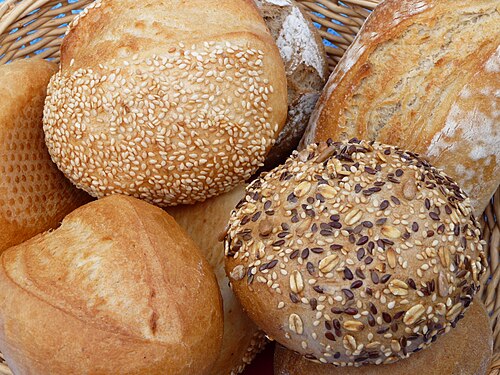
Bread Baking Basics: A Step-by-Step Guide for Home Bakers
Home bread baking comes down to four core ingredients, a target hydration, correct yeast temperature, and two tests — windowpane and poke — that tell you when dough is ready. This guide walks through mixing, kneading, rising, shaping and baking a basic loaf using techniques described by King Arthur Baking, The Perfect Loaf, Fleischmann's and Bob's Red Mill.

Grilling Guide: Two-Zone Fires, Safe Temperatures and Reverse-Searing
Consistent outdoor cooking comes down to three things: building a two-zone fire for direct and indirect heat, checking internal temperature with a thermometer instead of guessing by time or color, and keeping cast-iron grates seasoned. Here is what grill makers and food-safety sources say to do, step by step.

Girl Dinner, Explained — and Why It's Linked to Ina Garten's No-Cook Platters
"Girl dinner" is an internet term for a simple, no-cook, snack-plate style meal that went viral on TikTok in 2023. The phrase is now showing up in searches alongside chef Ina Garten, whose longstanding advice — skip the stove, assemble a cheese or charcuterie platter — matches the same idea and is getting fresh attention as her new cookbook, "Simply Ina," arrives this month.

Coffee 101: Arabica vs Robusta, Roasts, and How to Pick a Brewing Method
Coffee sold worldwide comes mainly from two plant species, arabica and robusta, and the "best" brewing method is the one that matches the grind, water ratio and time you prefer. The U.S. National Coffee Association (NCA) and roast-level research from Berry College show that species, roast and brew parameters each change the cup differently, and none of them is simply "better" than the others.
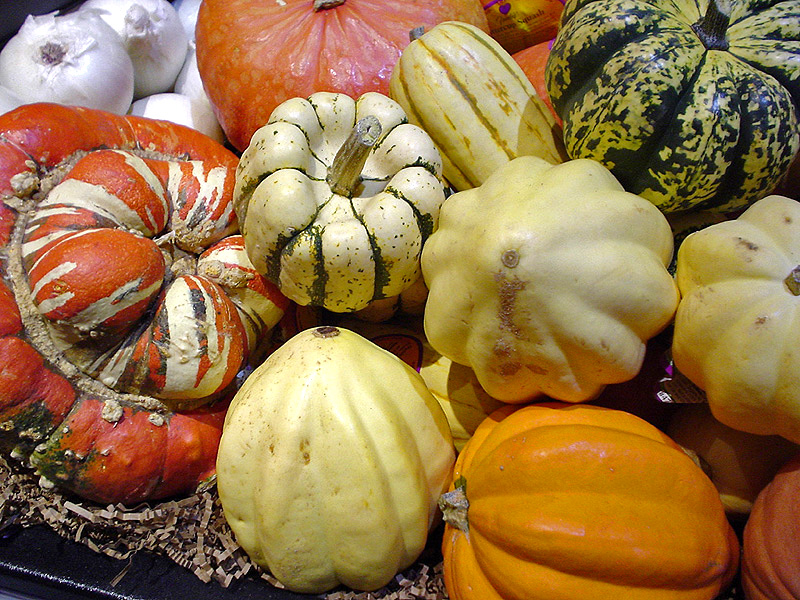
A Practical Guide to Selecting, Storing, and Cooking Fall Vegetables
Fall brings winter squash, cruciferous vegetables, and root crops that each need different handling. University extension data show the exact ripeness signs, storage temperatures, and shelf lives, while Harvard Health research outlines which cooking methods keep more nutrients intact.
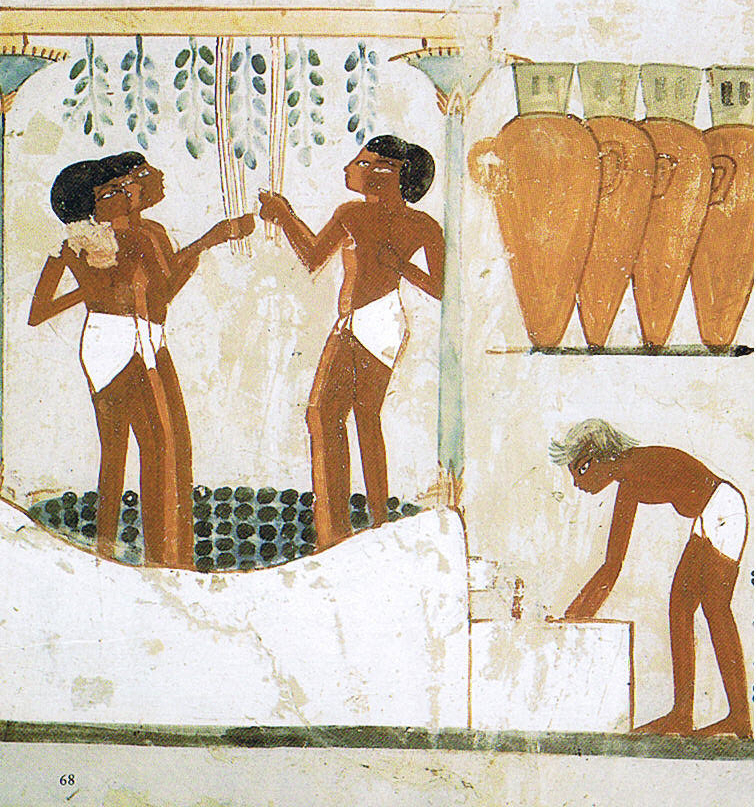
How to Ferment Vegetables at Home: A Step-by-Step Safety Guide
Home vegetable fermentation works by combining produce with salt and keeping it submerged in its own brine so lactic acid bacteria can multiply and lower the pH, which preserves the food and blocks spoilage organisms. University extension services put the safe salt concentration at roughly 2% to 5% of total weight for most vegetable ferments, rising to as much as 16% for high-salt pickles, with fermentation usually taking three to six weeks at room temperature depending on the vegetable and the target flavor.

How to Make Fresh Pasta From Scratch: Dough, Shaping and Cooking
Fresh pasta dough is made from flour and eggs in roughly a 1-to-1 ratio by weight — about 100 grams of flour per egg — kneaded, rested for 30 minutes, then rolled thin and cut or filled before boiling for just a few minutes. The flour choice (00, all-purpose, or a semolina blend) and salted boiling water both affect the final texture.

How to Make Perfect Tortilla de Patatas: Classic Method and Ferran Adrià's Shortcut
A perfect Spanish tortilla de patatas comes down to three things: evenly cooked potatoes, eggs that are barely set in the center, and a confident flip. This guide lays out the traditional slow-oil technique alongside the fast method chef Ferran Adrià demonstrated on Spanish TV in September 2026, plus the criteria judges use at Spain's national tortilla championship.

Home Cheese Making Explained: Cultures, Rennet and Basic Techniques
Home cheese making works by lowering milk's pH with a starter culture, then coagulating it with rennet or an acid such as vinegar, before the curds are cut, drained, salted and sometimes aged. University extension guides and dairy-science sources describe two common beginner routes: acid-set cheeses such as queso blanco, which need no rennet, and rennet-set cheeses such as mozzarella, which require precise temperatures and strict sanitation.

How to Cook Perfect Rice Every Time: Ratios, Methods and Fixes
Perfect rice depends on matching the right liquid ratio to the rice type and the cooking method — roughly 2:1 for long-grain white on the stovetop and 1:1 in a pressure cooker. The two most common failures, gummy rice and undercooked rice, trace back to too much liquid or lifting the lid too early, according to USA Rice and America's Test Kitchen.
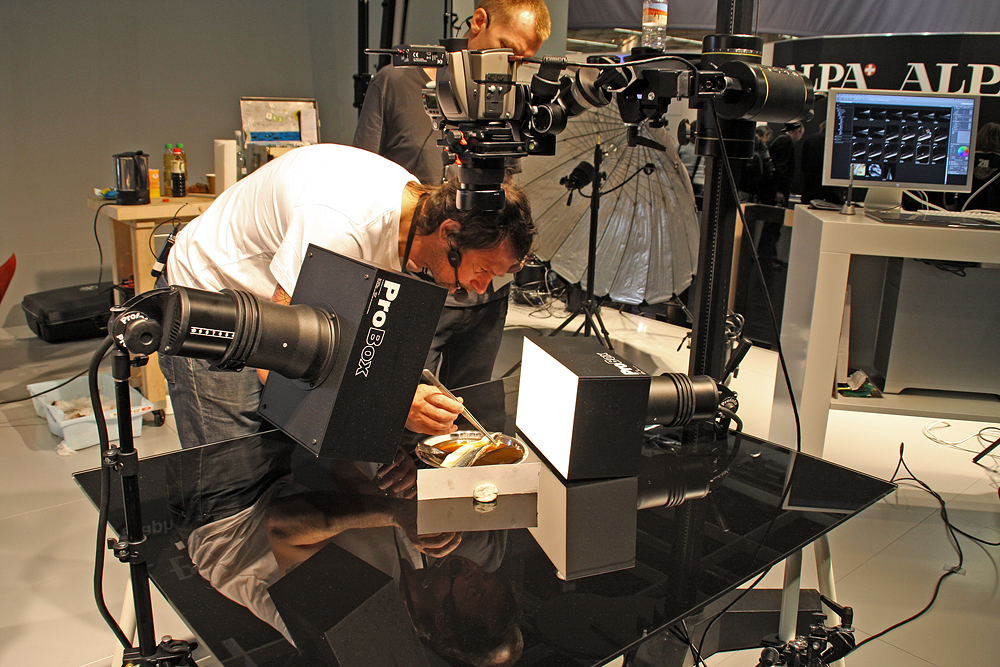
Food Photography Guide: How to Shoot Dishes That Look Good on Social Media
Good food photos come down to three controllable factors: light, angle and styling. Shooting near a window with soft natural light, matching the camera angle to the shape of the dish, and keeping the background simple are the techniques most consistently recommended across photography guides.

Food Storage Guide: How to Cut Waste With Proper Fridge, Freezer and Pantry Use
Keeping a refrigerator at or below 40°F (4°C) and a freezer at 0°F (-18°C), and matching each food to the right preservation method are core steps that extend shelf life, according to the FDA, EPA and university extension services. Combined with freezing, canning, drying or fermenting surplus food, these practices address a problem the EPA says costs the average family of four nearly $3,000 a year.

How to Pick, Handle and Store Fresh Fish Safely at Home
Fresh fish should smell mild, have clear eyes and firm flesh, and be displayed on ice or refrigerated at the point of sale. At home, store it at 40°F (4°C) or below and cook or freeze it within one to two days, according to the U.S. Food and Drug Administration and Clemson University's food safety guidance.

Guide to World Cuisines: How Food Traditions, Techniques and Rituals Differ
A world cuisine is generally built from three linked elements: a staple ingredient and the method used to process it, a signature cooking technique or vessel, and the social ritual that structures the meal. UNESCO's Intangible Cultural Heritage list and national government statements document these elements for France, Mexico, Japan, South Korea, Italy and the Mediterranean, giving a sourced framework for comparing food traditions worldwide.

Grilling Meat and Fish Perfectly: Heat Zones, Temperature and Timing
Consistently good grilling comes down to three controllable factors: setting up separate heat zones, cooking food to the correct internal temperature, and letting it rest before cutting. Combining a hot zone for searing with a cooler zone for finishing, checking doneness with a thermometer rather than guessing, and accounting for carryover cooking are the methods professional grill guides rely on.

How to Train Your Palate and Taste Food Like a Professional Chef
Tasting like a chef is a learnable skill, not a gift: it comes from tasting ingredients individually, checking a dish against the five basic tastes, and training your sense of smell, which does most of the work in flavor perception. Culinary educators say consistent, deliberate practice — not natural talent — builds a trained palate.
A Beginner's Guide to Baking Bread at Home With Basic Ingredients
Homemade bread needs only four core ingredients — flour, water, yeast and salt — mixed into a dough, left to rise until roughly doubled, shaped, and baked until the inside reaches about 190°F to 210°F. Beginners can choose a traditional kneaded loaf or a no-knead dough that builds gluten through resting instead of hand-kneading.

How Wine Is Made: From Grape to Glass, Step by Step
Wine is produced by harvesting grapes, crushing them into must, fermenting the sugars into alcohol with yeast, then clarifying, aging and bottling the result. Red, white and rosé wines differ mainly in how long the juice stays in contact with grape skins during fermentation.

Espresso, Pour-Over, French Press and Cold Brew: How Each Method Actually Works
Espresso forces hot water through fine grounds under pressure in 20–30 seconds, pour-over drips hot water through a filter over 2–4 minutes, French press steeps coarse grounds for about 4 minutes before pressing, and cold brew steeps coarse grounds in cool water for roughly 12 hours. The National Coffee Association (NCA) sets a grind, ratio and time for each method, and the U.S. Food and Drug Administration (FDA) publishes the caffeine ranges that result.

How to Taste Wine: A Beginner's Guide to the Fundamentals
Tasting wine well follows a repeatable sequence: look at the color, swirl to release aromas, smell in short sniffs, then sip while drawing air across the wine to judge sweetness, acidity, tannin and finish. Wine schools such as the WSET and the Court of Master Sommeliers teach structured versions of this same sequence, and any beginner can use it without special equipment.
How to Make Fresh Pasta From Scratch: Ratios, Steps and Tips
Fresh pasta dough is traditionally made with about 1 egg per 100 grams of flour, kneaded until smooth, rested for at least 30 minutes, then rolled thin and cut. The flour can be all "00," a semolina blend, or all-purpose, and the dough can be hand-mixed or made in a food processor before shaping with a pasta machine or knife.

How to Cook Rice and Pasta Perfectly: Ratios and Expert Techniques
Perfect rice depends on getting the water ratio and resting time right, while perfect pasta depends on salted water, a large enough pot and regular stirring. Tests by America's Test Kitchen and guidance from the National Pasta Association and Food Network show both staples tolerate more flexibility, and often less water, than many home cooks assume.
Home Fermentation Guide: How to Make Sauerkraut, Kimchi and Kombucha Safely
Home fermentation relies on salt concentration, temperature control and keeping food submerged under brine to let beneficial bacteria outcompete spoilage organisms. The core methods for sauerkraut, kimchi and kombucha differ in salt ratios and timing, but they share the same safety principles set out by food-science extension services and brewing associations.
A Practical Guide to Pairing Wine With Everyday Meals
Good wine and food pairing comes down to matching weight, acidity, tannin and sweetness between the glass and the plate rather than following rigid rules. This guide breaks the process into simple steps and lists common pairings, along with mistakes to avoid.

How Chicken Became the World's Most Eaten Meat
Chicken overtook pork to become the world's most consumed and most traded meat around 2017, according to data cited by The Conversation. The shift followed a mid-20th-century U.S. breeding contest, decades of genetic selection that cut the time to raise a market-weight chicken from about 60 days to roughly 33 days, and a retail price and carbon footprint lower than beef or pork.

Turkey's 20 Best Street Foods, Ranked by TasteAtlas
Döner kebap tops TasteAtlas's ranking of Turkey's 20 best street foods, scoring 4.4 out of 5, ahead of lahmacun and Mersin's tantuni. The global gastronomy platform's list, based on thousands of user votes, also features two Izmir specialties and Istanbul's "wet hamburger."