Science · Article
2026 Studies Suggest Alzheimer's Disease Processes May Start Outside the Brain
Published:

In brief
Four separate studies published in 2026 report that biological changes linked to Alzheimer's disease — in the gut, lymph nodes, skin and immune cells — can appear years before major brain pathology or memory symptoms show up. Researchers in the United States and Denmark say these processes outside the brain may actively drive the disease, not simply reflect it.
Four separate studies, one shared signal
Alzheimer's disease has long been studied as a brain disorder, centered on the buildup of amyloid-beta plaques and tau tangles inside neurons. Over 2026, four independent research teams in the United States and Denmark reported findings pointing in a different direction: some of the biological processes associated with the disease appear to begin, or at least show their earliest signs, outside the brain.
The teams worked separately, using different methods — genetic databases, mouse models, human colon tissue and lab-grown intestinal organoids — and looked at different organs. Together, their results describe a pattern in which the gut, lymph nodes, skin, lungs and circulating immune cells show disease-related changes before or alongside the brain changes doctors traditionally look for.
The gut and the intestinal barrier
Researchers at the Arizona State University-Banner Neurodegenerative Disease Research Center compared colon tissue taken at autopsy from Alzheimer's patients with tissue from cognitively healthy people, according to findings published in the journal Alzheimer's & Dementia and detailed by Arizona State University on January 16, 2026. The team, led by Diego Mastroeni, found weakened immune proteins and reduced levels of proteins involved in nerve-cell communication in the gut tissue of Alzheimer's patients, alongside higher amyloid-beta 42 and shifts in gut bacteria, including increases in Christensenellaceae and Desulfovibrio.
Gut problems aren't just coincidental in Alzheimer's disease, they appear to be biologically linked to the disease process itself.
A separate study at the University of Miami Miller School of Medicine, led by Helen Bramlett and Nadine Kerr, grew intestinal organoids — small lab-made models of gut tissue — from preclinical Alzheimer's models. Published in the journal Aging and Disease on July 23, 2026, the study found intestinal barrier breakdown, inflammation and buildup of amyloid-beta and phosphorylated tau in the organoids before the age at which neurological symptoms typically appear. Bramlett, the study's senior author, described the fact that gut barrier problems appeared earlier than memory or thinking deficits as a notable finding of the work.
Immune cells activated in lymph nodes, not the brain
At Washington University School of Medicine, a team led by David M. Holtzman, with Hao Hu as first author and Jason Ulrich as co-senior author, studied mice genetically engineered to develop tau tangles and neurodegeneration. Published September 3, 2026, in Nature Neuroscience, the study found that dendritic cells in lymph nodes outside the brain prepare CD8 T cells that then travel into the brain and contribute to damage. When the researchers removed dendritic cells from the lymph nodes, elevated T cell numbers in the brain dropped sharply, brain damage decreased, and the mice retained more cognitive ability — even though the amount of tau tangle buildup stayed the same.
A genome-wide signal, years before symptoms
A fourth project, led by Cesar Cunha at the Novo Nordisk Foundation Center for Basic Metabolic Research in Denmark, took a genetic approach. The team compared genetic data from roughly 85,000 Alzheimer's patients and 485,000 controls drawn from the European Alzheimer and Dementia Biobank, and examined activity of around 1,000 Alzheimer's risk genes across close to 5 million single cells spanning 40 body regions and 100 brain regions. The strongest activity of these risk genes was found not in the brain but in the skin, lungs, digestive system, spleen and circulating immune cells, peaking when subjects were roughly 55 to 60 years old. Cunha said, as an example, that a significant inflammatory event in a person's late fifties — such as a viral lung infection — could set off processes that only become visible as dementia 20 to 30 years later. This study was posted as a preprint on medRxiv and has not yet completed formal peer review.
| Study / institution | Published | Body system examined | Key finding |
|---|---|---|---|
| Arizona State University (Mastroeni et al.) | Jan. 2026, Alzheimer's & Dementia | Colon tissue | Weakened immune proteins, reduced synaptic proteins, higher amyloid-beta 42 in gut tissue |
| University of Miami (Bramlett, Kerr) | July 23, 2026, Aging and Disease | Intestinal organoids | Barrier breakdown, inflammation, amyloid/tau buildup before symptom age |
| Washington University (Holtzman, Hu, Ulrich) | Sept. 3, 2026, Nature Neuroscience | Lymph nodes / immune cells | Blocking dendritic cells in lymph nodes cut brain damage, preserved cognition in mice |
| Novo Nordisk Foundation Center, Denmark (Cunha et al.) | 2026, medRxiv preprint | Skin, lungs, gut, spleen, immune cells | Strongest Alzheimer's risk-gene activity found outside the brain, peaking at age 55-60 |
Why this matters for future treatment
None of the four studies claims that amyloid plaques and tau tangles inside the brain are no longer relevant to Alzheimer's disease. Instead, they suggest additional, measurable processes in the gut, immune system and lymph nodes may contribute to how the disease develops and progresses. The Washington University mouse experiment is the clearest treatment signal so far: blocking immune activation in lymph nodes — tissue that is easier to reach than the brain, which is protected by the blood-brain barrier — reduced brain damage and preserved cognitive function in mice without changing how much tau had accumulated.
Researchers across the four teams caution that most of the findings come from mouse models, tissue samples or a genetic dataset rather than clinical trials in people, and the Danish genetic study has not yet passed full peer review. None of the papers describes a ready-to-use diagnostic test or therapy for human patients.
- Four independent 2026 studies found Alzheimer's-related biological changes in the gut, lymph nodes, skin, lungs and immune cells.
- A Danish genetic study found the strongest Alzheimer's risk-gene activity outside the brain, peaking around age 55-60, decades before typical symptom onset.
- A Washington University mouse study showed blocking immune cell activation in lymph nodes reduced brain damage and preserved cognition without reducing tau tangles.
- Gut tissue and gut-derived organoid studies from Arizona State University and the University of Miami found intestinal barrier damage and inflammation before neurological symptoms typically appear.
- Researchers stress these are early-stage findings from mice, tissue samples and a preprint, not a new diagnostic test or treatment for humans.
Questions
- Does this mean Alzheimer's disease does not start in the brain?
- The studies do not claim the brain is uninvolved. They suggest that processes in the gut, lymph nodes, skin, lungs and immune system may contribute to the disease alongside the amyloid and tau changes long studied inside the brain.
- Which organs outside the brain have been linked to Alzheimer's in this research?
- The 2026 studies point to the gut and intestinal barrier, lymph nodes, skin, lungs, spleen and circulating immune cells, based on genetic data, colon tissue samples, lab-grown intestinal organoids and mouse experiments.
- How many years before symptoms do these changes appear?
- The Danish genetic study found Alzheimer's risk-gene activity peaking around age 55-60; the lead researcher cited a hypothetical example in which an inflammatory event at that age could precede visible dementia by 20 to 30 years. The University of Miami organoid study separately found gut barrier damage before the usual age of neurological symptom onset.
- Could this lead to new Alzheimer's treatments?
- The Washington University study showed that blocking immune cell activation in lymph nodes reduced brain damage and preserved cognition in mice, a target that may be more accessible than treatments that must cross the blood-brain barrier. This has only been tested in mice so far.
- Is this research final or still preliminary?
- Three studies are published in peer-reviewed journals — Nature Neuroscience, Alzheimer's & Dementia and Aging and Disease — while the Danish genetic study is a medRxiv preprint that has not yet completed peer review.
Sources
- ScienceDaily — "Scientists found a surprising driver of Alzheimer's outside the brain"
- ASU News — "Roots of Alzheimer's disease extend beyond the brain"
- Earth.com — "Surprising study shows Alzheimer's may start in the body instead of the brain"
- University of Miami InventUM — "Could the Gut Hold Early Clues to Alzheimer's Disease?"
This piece was prepared with artificial intelligence and passed an automated source check before publication. If you see an error, ask for a correction. Request a correction or reply · How we make this
Related

ScienceNews
Margaret Hamilton, Apollo software pioneer who coined the term, dies at 90
Margaret Hamilton, who led the MIT team that wrote the onboard flight software for NASA's Apollo missions and is credited with coining the term "software engineering," died on September 30, 2026, at a hospital in Cambridge, Massachusetts. She was 90.
ScienceNews
USGS: Deep-Sea Sulfide Rocks Can Spontaneously Catch Fire in the Lab
A USGS-led team reports that iron-sulfide-rich rocks collected from the seafloor off the Oregon–California coast spontaneously combusted after being brought into a laboratory. The study, published in Scientific Reports, says the reaction poses a possible fire hazard for future deep-sea mining operations that has not been fully accounted for in current safety rules.

ScienceNews
Northern Lights Reach Southern England After G3 Solar Storm
A strong (G3) geomagnetic storm pushed the aurora borealis far south of its usual range over the UK on October 10–11, 2026, with sightings reported from Scotland down to Devon, Hampshire and Kent in southern England. The display followed a coronal mass ejection that left the Sun on October 8 and reached Earth two days later, according to the US Space Weather Prediction Center (SWPC).
ScienceArticle
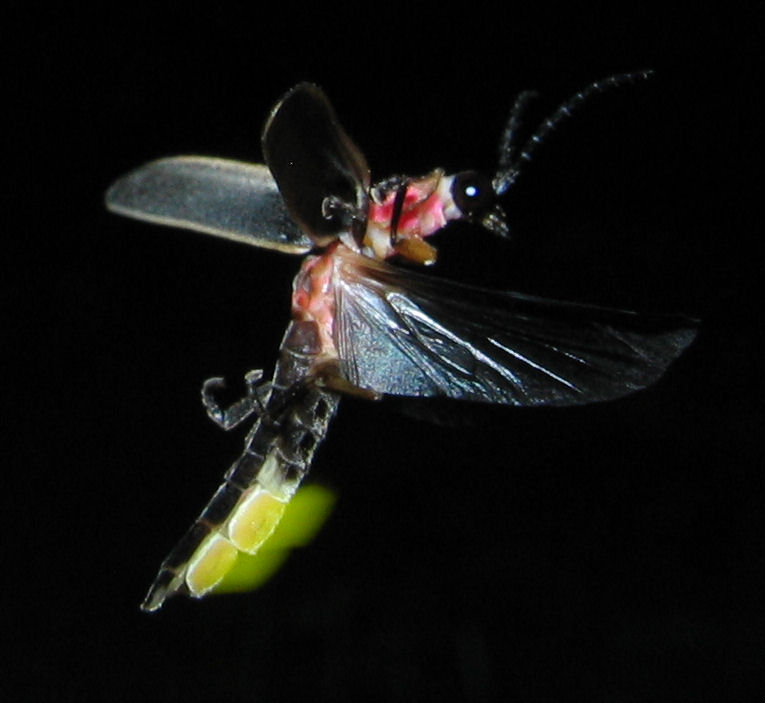
Bioluminescence Explained: The Chemistry Behind Light-Producing Organisms
Bioluminescence is light produced inside a living organism by a chemical reaction between a light-emitting molecule called luciferin, an enzyme (usually luciferase) and oxygen. Organisms use this self-made light to find food, attract mates, evade predators and communicate, and it is far more common in the ocean than on land.