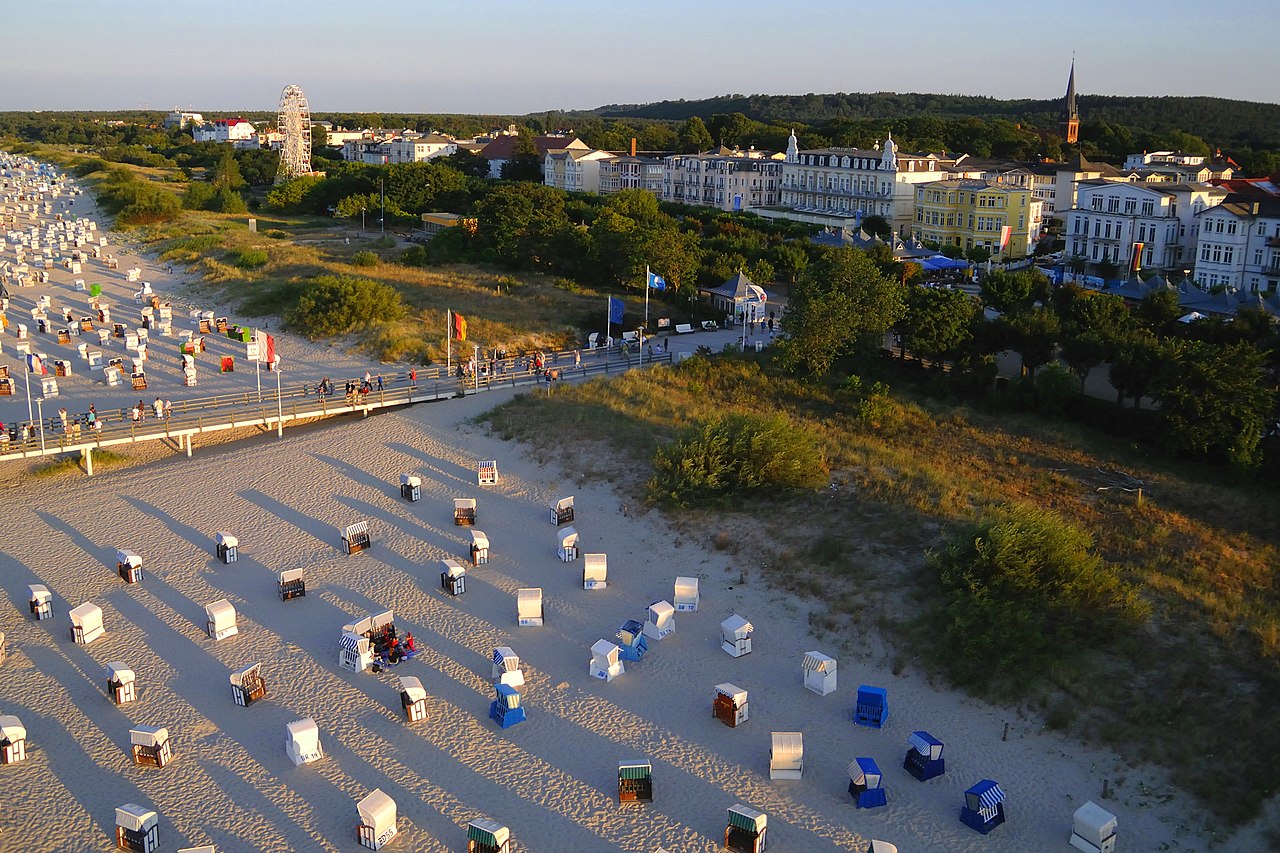
A former East German pioneer camp in Trassenheide on the Baltic island of Usedom is going under the hammer on 10 December 2026, with a minimum bid of 1.49 million euros. The same 10,002-square-metre site sold for 1.8 million euros at auction in 2022, and the case highlights how Cold War-era holiday architecture on the German coast is being recycled into modern tourism real estate.
A roughly 10,000-square-metre property in the seaside resort of Trassenheide, on the German part of Usedom island, is scheduled for a public auction on 10 December 2026. According to the Austrian outlet oe24, the minimum bid for the former East German pioneer camp has been set at 1.49 million euros.
What is on the market
The site sits in a coastal pine forest about 150 metres from the Baltic Sea shoreline, surrounded by modern hotels and holiday apartments, oe24 reported. It comprises 19 free-standing bungalows from the 1960s, each 10 to 15 square metres, built with lightweight GDR-era methods, plus a main building with roughly 100 beds, a dining hall, kitchen, workshop and sanitary blocks. Total existing floor space is about 1,064 square metres, and a legally binding development plan permits tourist accommodation for up to 100 guests, oe24 said. A northern section of around 4,000 square metres with three additional building plots offers room for expansion.
From children's holiday camp to youth hostel
Before German reunification in 1990, thousands of children from East Germany spent their free time at the facility, according to the business outlet Tageskarte and the regional newspaper Nordkurier. Trassenheide was a hub for this kind of GDR leisure infrastructure: a local chronicle published by Ortschroniken MV records that the district of Neubrandenburg ran a large central pioneer camp named "Raymonde Dien" in the village, managed by the state enterprise VEB Reparaturwerk Neubrandenburg, and that numerous state-run company holiday camps (Betriebsferienlager) also operated there, including a roughly 200-building settlement called Birkenhain built in 1973.
The barrack-style and bungalow structures on the auctioned plot were modernised after reunification and have operated as a youth recreation facility, hosting school trips and youth groups and generating up to 170,000 euros a year in revenue until the property was taken off the market in September, oe24 reported. The buildings underwent further modernisation in the mid-1990s and are heated by a central gas system.
Two auctions, four years apart
The property last changed hands on a Saturday in late November 2022, when the Rostock-based auction house Norddeutsche Grundstücksauktionen sold it for 1.8 million euros — double the minimum bid and, according to company board member Kai Rocholl, "the highest auction proceeds from the Saturday in Rostock," as quoted by Tageskarte and Nordkurier. Five parties bid for the property that day. The seller at the time was a private individual giving it up for age-related reasons, with part of the land administered by the federal government's Bundesanstalt für Immobilienaufgaben property agency, Nordkurier reported.
The buyer who won that 2022 auction invested about 90,000 euros in the site and is now putting it back up for sale, with the new minimum bid of 1.49 million euros, oe24 reported.
The Trassenheide site: two auctions compared
November 2022 auction
December 2026 auction
Minimum bid
900,000 euros
Result
Sold for 1.8 million euros
Bidders
5 parties
Plot size
~10,000 square metres
Auction house
Norddeutsche Grundstücksauktionen, Rostock
Zoning, heritage and an asbestos problem
Trassenheide's mayor, Michael Dumke, said after the 2022 sale that the municipality intended to use its binding development plan to keep the plot dedicated to tourism, possibly including a hotel, rather than allowing a change of use, according to Nordkurier and Tageskarte. Trassenheide ranks third among Usedom's German resort towns for overnight stays, behind Heringsdorf and Zinnowitz, Tageskarte reported.
Any buyer will also have to deal with construction-era hazards typical of GDR buildings: oe24 reported that the facades contain asbestos cement panels (Planasbest) and the roofing uses corrugated asbestos sheeting, both of which require remediation. The sale contract also carries an unusual clause obliging the buyer to grant a beverage vendor free use of a two-square-metre stand for ten years, according to the same report.
Why it matters beyond Usedom
The repeated auctioning of the Trassenheide camp illustrates a broader pattern on the German Baltic coast, where former GDR pioneer camps and company holiday settlements — standardised, lightly built structures meant for mass seasonal use — are increasingly treated as development land rather than protected heritage. Usedom itself, Germany's and Poland's sunniest region with about 1,906 hours of sunshine a year according to Wikipedia, has drawn steadily growing private investment in its coastline since reunification, raising the same question repeatedly: whether to preserve Cold War-era leisure architecture or redevelop the land it sits on for contemporary tourism.
The highest auction proceeds from the Saturday in Rostock.
— Kai Rocholl, board member, Norddeutsche Grundstücksauktionen, on the 2022 sale of the Trassenheide site
Questions
What is being auctioned in Trassenheide?
A roughly 10,000-square-metre former East German pioneer camp site with 19 1960s bungalows and a main building for about 100 guests, located in coastal woodland near the Baltic Sea on Usedom island.
When is the auction and what is the minimum bid?
The auction is scheduled for 10 December 2026, with a minimum bid of 1.49 million euros, according to oe24.
Has this property been sold before?
Yes. It was auctioned in Rostock in November 2022 and sold for 1.8 million euros, double the minimum bid at the time, after five parties bid, according to Tageskarte and Nordkurier.
What can a buyer legally do with the site?
A binding development plan allows tourist accommodation for up to 100 beds, and a northern section of about 4,000 square metres offers three further building plots, per oe24's reporting.
Are there any complications for a buyer?
Yes. The buildings contain asbestos in facade panels and roofing that will require remediation, and the sale contract includes a 10-year free-use easement for a beverage stand, oe24 reported.
How the world is telling it
GermanGerman regional and trade outlets (Nordkurier, Tageskarte, Ostsee-Zeitung) frame the story mainly as a real-estate and local-politics item — focusing on auction mechanics, price development and the municipality's zoning strategy — while also noting the site's status as a shared memory of GDR childhood summers on the Baltic coast.
This piece was prepared with artificial intelligence and passed an automated source check before publication. If you see an error, ask for a correction. Request a correction or reply · How we make this
Long before European colonization, the African continent was home to powerful states that built pyramids, ran trans-Saharan gold-and-salt economies, and raised cities of carved stone. This list ranks seven ancient African kingdoms by the scale of their political, economic or architectural reach, based on dates and figures from historians, UNESCO and museum records.
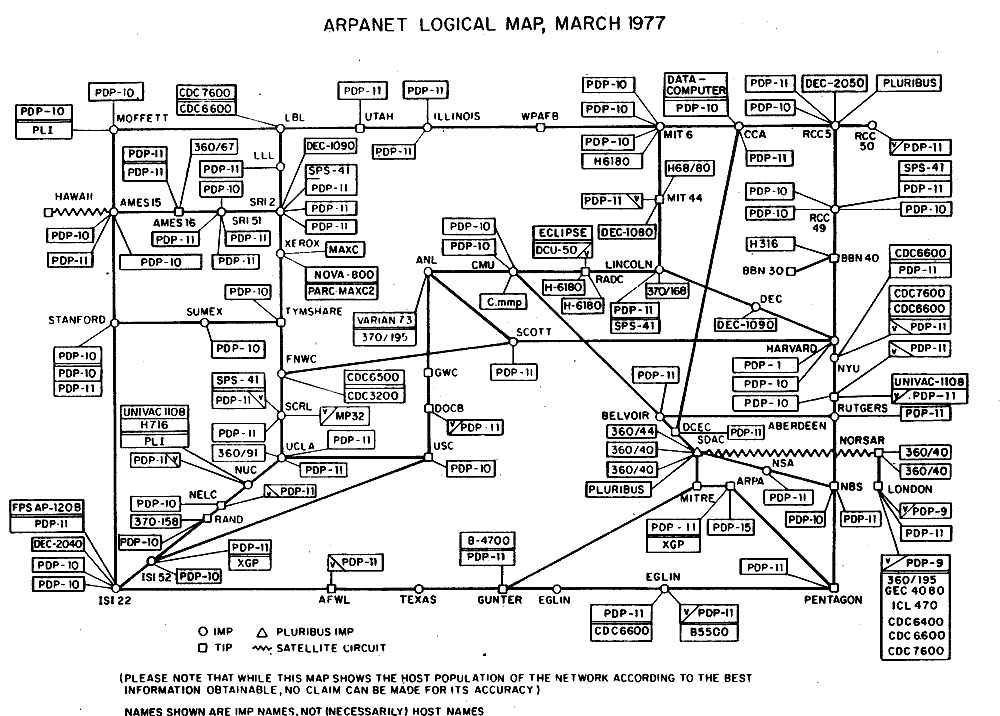
The internet began as a U.S. defense research network called ARPANET in 1969 and became the World Wide Web two decades later through a 1989 proposal at CERN. Today roughly 6 billion people — about three-quarters of the world's population — use the internet, according to the UN's International Telecommunication Union (ITU).
Archaeologists use two broad approaches: relative dating, which orders finds by layer or style without giving a year, and absolute (scientific) dating, which uses physical or chemical changes — such as carbon-14 decay, tree-ring patterns or potassium-argon decay — to estimate a calendar-based age range. Most sites are dated by combining several of these methods rather than relying on one alone.
Ancient Rome ran its affairs through elected magistrates, a senate of former officials and popular assemblies for roughly five centuries before power concentrated in a single emperor from 27 BCE. Its rigid social hierarchy, its legal code and its Latin tongue went on to shape European and wider Western institutions long after the empire itself fell.