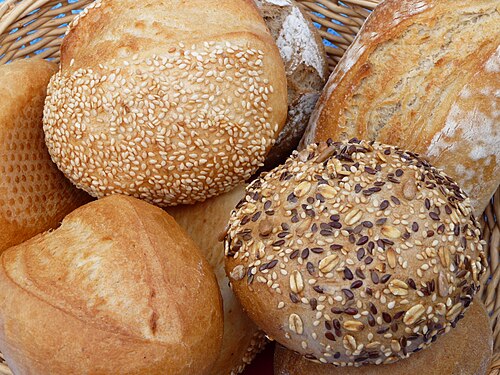
The Mediterranean diet is a plant-forward eating pattern built on vegetables, whole grains, legumes, nuts and olive oil, with fish and seafood at least twice a week and red meat limited to a few times a month. It was formalized in 1993 by Oldways, the Harvard School of Public Health and the WHO as the Mediterranean Diet Pyramid, and large clinical trials have since linked it to lower cardiovascular risk.
The Mediterranean diet is not a single recipe book but an eating pattern modeled on the traditional cuisines of countries bordering the Mediterranean Sea, particularly Greece and southern Italy in the mid-20th century. According to Harvard's T.H. Chan School of Public Health Nutrition Source, it is best described as an eating pattern rather than a strictly regimented diet plan, built around plant foods and olive oil rather than any single 'superfood.'
How the pyramid is organized
In 1993, Oldways Preservation and Exchange Trust worked with the Harvard School of Public Health and the WHO's European office to create the Mediterranean Diet Pyramid, intended as an alternative to the original USDA food pyramid, according to Oldways. The pyramid's base is not a food group at all: it represents daily physical activity and shared, social meals, reflecting that the pattern is treated as a lifestyle rather than a list of ingredients.
Above that foundation, Oldways lists the foods people are meant to shop for and eat every day: whole grains, fruits, vegetables, beans and other legumes, nuts, herbs, spices and healthy fats such as olive oil. Fish and seafood are recommended at least twice a week. Dairy, especially fermented forms like yogurt and traditional cheese, is eaten frequently but in moderate portions, while eggs and poultry appear only occasionally. Red meat and sweets sit at the top of the pyramid and, per Oldways' description, are meant to be eaten only rarely.
Daily, weekly and monthly guidance
Harvard's Nutrition Source breaks the pattern into similar tiers. Whole grains, olive oil, fruits, vegetables, beans, legumes, nuts, herbs and spices are positioned as daily staples, with water as the primary beverage. Fish or seafood is suggested at least twice weekly, while poultry, eggs and dairy such as cheese and yogurt are eaten a few times a week. Red meat is limited to a few times a month. Harvard's summary also notes that moderate wine consumption — up to roughly one to two glasses daily for men and one for women — is part of the traditional pattern for those who already drink alcohol, not a recommendation to start.
Mediterranean diet food frequency (Harvard Nutrition Source / Oldways)
The cooking methods behind the pattern are as consistent as the ingredient list. Extra virgin olive oil is the primary fat used both in dressings and in cooking, replacing butter or other saturated fats, according to Harvard's Nutrition Source. Mediterranean Living, a site focused on the diet's recipes, describes building flavor by warming olive oil at medium heat and briefly cooking aromatics such as garlic, onion and fresh herbs before adding vegetables or legumes — techniques applied across roasting, braising and sautéing. Fresh herbs like oregano, basil, dill and parsley are used to add flavor in place of excess salt, and dishes typically lean on whole, minimally processed ingredients rather than packaged or highly processed foods.
Typical traditional dishes cited by Mediterranean Living include a Greek salad of tomatoes, cucumbers, peppers, onions and olives dressed with olive oil, lemon juice and oregano; Lebanese hummus made from blended chickpeas, tahini, garlic, lemon and olive oil; and Moroccan harira, a lentil and chickpea soup seasoned with cinnamon and cumin. Vegetables and legumes form the base of most meals, with whole grains such as couscous or brown rice and modest portions of fish, poultry or cheese added rather than centered on the plate.
What the clinical evidence shows
The most-cited evidence for cardiovascular benefits comes from PREDIMED, a Spanish randomized controlled trial that enrolled 7,447 participants at high cardiovascular risk between 2003 and 2009, according to the peer-reviewed summary published on PubMed Central. Participants were assigned to a Mediterranean diet supplemented with extra virgin olive oil, a Mediterranean diet supplemented with nuts, or a low-fat control diet, with no calorie restriction or exercise program imposed. Over a median follow-up of 4.8 years, the olive oil group showed a 31% relative reduction in combined heart attacks, strokes and cardiovascular deaths, while the nut group showed a 28% reduction, both compared with the control diet.
The trial's history includes a notable correction. The original 2013 results, published in the New England Journal of Medicine, were retracted in 2018 after researchers identified protocol deviations in how some study sites had randomized participants. After excluding 1,588 participants whose assignment could not be verified as properly randomized and reanalyzing the data, the 2018 republished results were described as similar to the original findings in the PMC summary — meaning the headline risk reductions held up under the correction.
Harvard's Nutrition Source cites additional observational research linking the pattern to broader outcomes: a reported 25% lower risk of cardiovascular disease over 12 years among women who followed it closely, and a meta-analysis finding roughly 24% lower cardiovascular disease risk and 23% lower risk of premature death among higher adherers. Harvard also notes that because the diet's effects are attributed to the overall eating pattern rather than any single food, isolating one ingredient — such as olive oil alone — is not expected to reproduce the same results.
Limitations to know
Harvard's summary cautions that because the diet includes calorie-dense foods such as olive oil and nuts, it carries a risk of excess calorie intake if portions are not watched, since the plan itself does not prescribe specific serving sizes or calorie targets. Most of the supporting research, aside from PREDIMED, is observational, meaning it shows associations rather than directly proving the diet alone causes the health outcomes measured.
The results obtained were similar.
— Summary of the PREDIMED trial reanalysis, PubMed Central (NIH)
Questions
What foods are eaten daily on the Mediterranean diet?
According to Harvard's Nutrition Source and Oldways, daily staples are vegetables, fruits, whole grains, legumes, nuts, herbs, spices and olive oil as the main fat, with water as the primary drink.
How often is meat allowed?
Poultry, eggs and dairy are recommended a few times a week, while red meat is limited to a few times a month, per both Harvard's Nutrition Source and the Oldways Mediterranean Diet Pyramid.
Is there scientific proof the Mediterranean diet helps the heart?
The PREDIMED randomized controlled trial of 7,447 high-risk participants found roughly a 28–31% lower rate of combined heart attack, stroke and cardiovascular death in the Mediterranean-diet groups compared with a low-fat control diet, according to the peer-reviewed reanalysis published on PubMed Central.
Why was the original PREDIMED study retracted?
The 2013 results were retracted in 2018 after researchers found protocol deviations in how some sites had randomized participants; a 2018 reanalysis excluding affected participants produced similar results to the original.
Is wine required on the Mediterranean diet?
No. Harvard's Nutrition Source describes moderate wine with meals — about one to two glasses daily for men and one for women — as part of the traditional pattern only for people who already drink, not a recommendation to start drinking.
This piece was prepared with artificial intelligence and passed an automated source check before publication. If you see an error, ask for a correction. Request a correction or reply · How we make this
Growing herbs indoors year-round works by giving plants enough light, well-drained soil, and the right watering rhythm for each species. University extension guides recommend at least 6 hours of light (natural or supplemental), a soilless potting mix with added perlite, and letting Mediterranean herbs like rosemary and thyme dry out between waterings while keeping basil consistently moist.
Choosing a wine you'll enjoy starts with matching flavors you already like to a wine's dryness and body, not its price or label design. Storing it means keeping bottles cool, dark and humid, and tasting it comes down to four simple steps: look, smell, taste, conclude.
Home bread baking comes down to four core ingredients, a target hydration, correct yeast temperature, and two tests — windowpane and poke — that tell you when dough is ready. This guide walks through mixing, kneading, rising, shaping and baking a basic loaf using techniques described by King Arthur Baking, The Perfect Loaf, Fleischmann's and Bob's Red Mill.
Consistent outdoor cooking comes down to three things: building a two-zone fire for direct and indirect heat, checking internal temperature with a thermometer instead of guessing by time or color, and keeping cast-iron grates seasoned. Here is what grill makers and food-safety sources say to do, step by step.