News & Articles
Health
What the world is talking about, with sources. Every piece is prepared with artificial intelligence, and every claim links to where it came from.

How Human Metabolism Works: Why Rates Vary and What It Means for Health
Metabolism is the set of chemical reactions that turn food into usable energy, and resting metabolic rate alone accounts for roughly 60% to 70% of the calories most people burn each day, according to the Cleveland Clinic. How fast that baseline runs depends mainly on body size, muscle mass, sex and age rather than willpower, and a 2021 study in the journal Science found metabolism moves through four distinct stages across a lifetime instead of declining steadily after young adulthood.

Dengue case in Maine-et-Loire's La Séguinière triggers mosquito-control spraying
A resident of La Séguinière, near Cholet in France's Maine-et-Loire department, tested positive for dengue in early October 2026, prompting the regional health agency to plan insecticide spraying in the person's neighbourhood. The operation follows similar interventions this year at Orvault, near Nantes, and last year at Trélazé, as the tiger mosquito that spreads the virus keeps expanding across the region.

France Launches 2026 COVID-19 and Flu Vaccination Campaign Amid Rising Infections
France's 2026–2027 COVID-19 and flu vaccination campaign began on 13 October, as doctors and emergency rooms reported more suspected COVID-19 cases nationwide. An epidemiologist described the rise as a new wave, but the Health Ministry said on 5 October that the increase did not justify moving the campaign's start date earlier.

How Circadian Rhythms Shape Sleep Quality, Health and Daily Performance
Circadian rhythms are roughly 24-hour cycles, set mainly by light and darkness, that tell the body when to sleep, release hormones and digest food. When this internal clock falls out of sync with the environment — through irregular schedules, shift work or jet lag — sleep quality, mood, metabolism and alertness all suffer, according to U.S. federal health agencies and Harvard Medical School.

Indonesia Haze: Jambi Air Quality 'Hazardous', Respiratory Cases Top 12,000
Forest and land fires in Sumatra have pushed air quality in Indonesia's Jambi province into the "hazardous" category, with PM2.5 readings more than double the danger threshold and visibility dropping below 1 kilometer. Jambi City's health department says acute respiratory infection (ISPA) cases have reached 12,000 since the fires began, up from 10,151 a few days earlier.

Semaglutide and GLP-1 Weight-Loss Drugs: How They Work and What Side Effects Are Known
Semaglutide and other GLP-1 receptor agonists cause weight loss by mimicking a gut hormone that reduces appetite and slows digestion. They are already linked to common gastrointestinal side effects and rare serious risks such as pancreatitis, and a 2026 survey presented at a European dermatology congress found nail detachment and unusual hair loss reported far more often by users than non-users, though researchers say this does not prove the drugs caused it.

World Mental Health Day 2026: How to Recognize Warning Signs and Find Support
World Mental Health Day falls on October 10 every year, and in 2026 the World Health Organization and the World Federation for Mental Health are using the theme "Lived experiences heard: real voices, real change." Below is a sourced guide to what the day marks, the warning signs health authorities say to watch for, and where to find professional or crisis support.

How to Read a Food Nutrition Label: A Step-by-Step Guide
Nutrition labels show the serving size, calories, and amounts of nutrients such as fat, sugar and salt in a food, usually alongside a percentage of a recommended daily intake. Reading one correctly starts with checking the serving size, then looking at the percentage figures (called %DV in the US or Reference Intake in the EU/UK) and comparing products using per-100g or per-100ml figures.

How to Perform CPR and Recognize a Cardiac Emergency: Step-by-Step Guide
CPR keeps blood moving to the brain and heart when someone's heart stops beating suddenly. The core response is: call emergency services first, then push hard and fast in the center of the chest — about 100 to 120 times a minute — until help or a defibrillator arrives. This guide walks through recognizing cardiac arrest and performing compressions step by step, based on guidance from the American Heart Association, the U.S. National Heart, Lung, and Blood Institute, and St John Ambulance.

Blood Pressure: Normal Ranges, Risk Factors and How to Monitor It
A normal blood pressure reading is below 120/80 mm Hg, according to the 2025 American Heart Association/American College of Cardiology guideline. Readings from 130/80 mm Hg upward are classified as hypertension, a condition the CDC says affects nearly half of U.S. adults and was linked to more than 680,000 deaths in 2024.

Rome hospital performs world's first radioactive-glue treatment for inoperable pancreatic cancer
On October 8, 2026, doctors at the Gemelli Hospital in Rome carried out the world's first clinical use of a radioactive biological adhesive to treat a locally advanced, inoperable pancreatic tumor. The experimental device, YntraDose, injects yttrium-90 particles directly into the tumor and is being tested in an international trial across Italy, Belgium and the United Kingdom.

How the Immune System Fights Infections: Innate and Adaptive Defenses Explained
The immune system defends the body through two coordinated systems: innate immunity, which reacts within hours using barriers and general-purpose cells, and adaptive immunity, which takes days to build pathogen-specific antibodies and T-cells but leaves lasting memory. Together they explain why some illnesses feel sudden and brief while immunity to others builds over a first exposure.

How AI Is Finding New Molecular Targets for Healthy Aging
Researchers are using artificial intelligence to scan huge libraries of peptides, genes and existing drugs to flag molecules that may slow biological aging, replacing years of manual lab screening with computational prediction. Separate research efforts in Brazil and the United States illustrate several different AI approaches now being applied to this question.

LDL Cholesterol Myths: Why 'Bad' Cholesterol Is More Complex Than It Sounds
Cardiologists say decades of data still link elevated LDL, or "bad" cholesterol, to heart attacks and strokes, pushing back on online claims that dismiss the risk. But newer research shows the real nuance lies not in whether LDL matters, but in how long it stays elevated, how it is measured, and how it interacts with other personal risk factors.
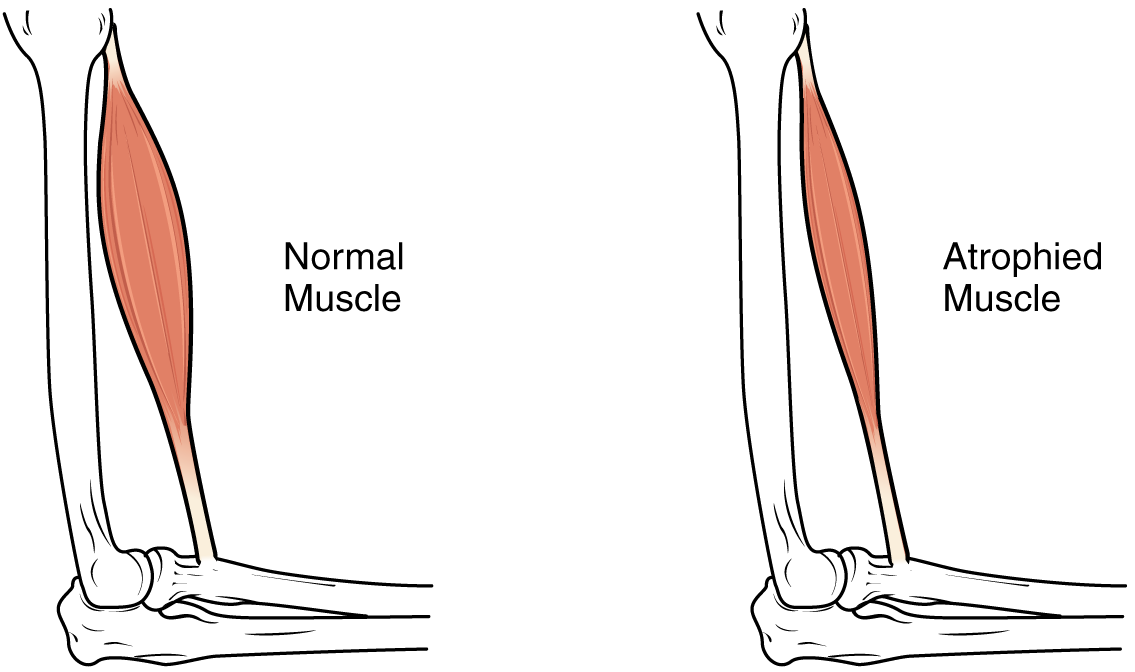
How to Maintain Muscle Strength and Slow Age-Related Muscle Loss
Muscle mass and strength decline steadily from around age 30 and speed up after 60, a process doctors call sarcopenia. Health organizations and clinicians say the decline can be slowed — not reversed on its own — through regular strength training, adequate protein, consistent sleep and staying physically active, even with minor limitations.

How Caffeine Affects the Human Brain and Body: What the Science Shows
Caffeine blocks brain receptors for adenosine, the molecule that signals tiredness, producing alertness within about 15 minutes of consumption. The U.S. FDA and the European Food Safety Authority consider up to 400 milligrams a day safe for most healthy adults, while higher doses raise heart rate, disrupt sleep and can trigger withdrawal symptoms such as headaches when stopped abruptly.
How Sleep and Circadian Rhythms Shape Health and Work Performance
The body's roughly 24-hour internal clock, run by the brain's suprachiasmatic nucleus, times sleep, hormone release, metabolism and alertness, and health agencies say chronic misalignment raises risks for obesity, diabetes, heart disease and mood disorders. In the United States, the CDC reports that about a third of employed adults sleep six hours or less a night, and RAND Corporation estimates insufficient sleep costs the US economy $411 billion a year.

West Nile virus in France: 145 cases confirmed, what the numbers mean
France has recorded 145 locally acquired human cases of West Nile virus so far in 2026, more than double the previous record of 62 cases set in 2025, according to Santé publique France's bulletin dated September 28. The virus, spread by Culex mosquitoes that bite infected birds, causes no symptoms in about 80% of people but can trigger severe neurological illness in less than 1%.

Nursing Home Costs in Germany: What Insurance, Family and the State Pay
Nursing home residents in Germany paid an average of €3,364 a month out of their own pocket in July 2026, according to insurer data reported by Bürgergeld.org. Statutory long-term care insurance (Pflegeversicherung) covers only fixed amounts by care level, the welfare office pays "Hilfe zur Pflege" only from the month it is applied for, and adult children are liable only above a €100,000 annual income. A reform approved by the cabinet in September 2026 leaves the core gap largely unresolved until at least 2027.

Study Finds Heavy Metals Including Lead in Nearly All Tested Cat Foods
A nonprofit lab analysis of 100 top-selling cat food products found lead in 99%, cadmium in 96% and arsenic in 94% of samples. The group behind the testing, Clean Label Project, reports that dry kibble carried roughly three times more lead than wet or air-dried food, and fish-based formulas had far higher mercury levels than poultry-based ones.

Flu Vaccination Guide 2026-2027: Strains, Timing and Who Should Get a Shot
Health authorities recommend an annual flu vaccine for almost everyone aged 6 months and older, ideally by the end of October 2026. This season's shots were updated after a fast-spreading H3N2 variant known as subclade K dominated last winter, while US vaccination coverage remains flat to slightly lower than a year earlier, according to CDC and WHO data.
Flu Vaccination 2026/27: Who Should Get the Shot, and When
Health authorities recommend annual flu vaccination mainly for people 60 or 65 and older, pregnant women, people with chronic illness, and healthcare workers, with the main vaccination window running from October through November or December. Vaccine protection takes about 10–14 days to develop, which is why doctors advise getting the shot before flu activity peaks in winter.