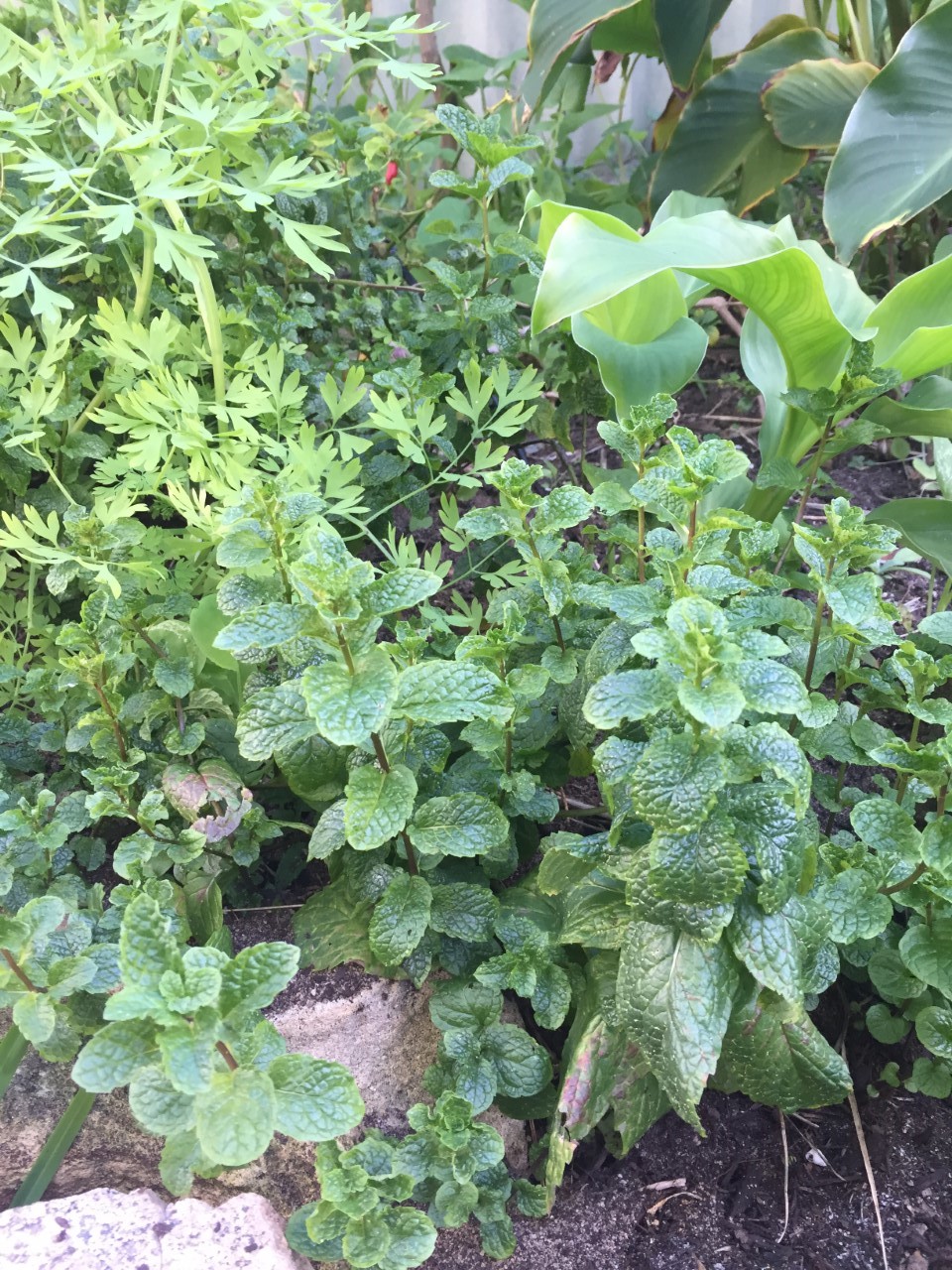
Fresh herbs can be harvested from a windowsill or a grow-light shelf in any season, but indoor conditions differ from a garden bed in three main ways: less light, drier air, and a fixed amount of soil. University horticulture extension services have tested how home cooks can compensate for each factor, and their recommendations are consistent on the basics even when exact numbers vary slightly.
Light: the limiting factor indoors
The University of Maryland Extension advises placing herb pots in a south- or west-facing window where they get at least five hours of direct sun a day. Penn State Extension sets a higher bar for sun-loving herbs: bay, rosemary and thyme need roughly six hours of direct sunlight, while lower-light tolerant herbs such as lemon balm, chives and cilantro can manage with two to six hours.
Because winter daylight is rarely enough on its own, both extensions recommend supplementing with fluorescent or full-spectrum LED grow lights positioned 6 to 12 inches above the foliage. On the number of hours to run them, sources differ slightly: Penn State and the University of Maryland both suggest running supplemental lights 14 to 16 hours a day in winter, while Iowa State University Extension's gardening FAQ gives a slightly wider window of 12 to 16 hours a day and adds that most herbs still need at least eight hours of light overall to thrive indoors.
Soil, containers and watering
For potting medium, the University of Maryland Extension recommends a mix of two parts soilless potting mixture to one part perlite, which drains well while staying light enough for container growing. Penn State Extension echoes the drainage requirement and specifies that every pot needs a drainage hole regardless of the mix used.
Watering needs vary by herb. Basil requires consistently moist soil and should never be allowed to dry out completely, according to Penn State Extension, which also notes that basil cannot survive temperatures below 50°F (10°C). By contrast, Mediterranean herbs — bay, marjoram, oregano, sage, thyme and rosemary — do better when the soil is allowed to dry out somewhat between waterings, a point made by both the Maryland and Penn State guides.
Temperature, humidity and feeding
Penn State Extension specifies daytime indoor temperatures of 65–70°F (18–21°C) and nighttime temperatures of 55–60°F (13–16°C) as suitable for most kitchen herbs. Both extensions warn against placing pots near drafts or heating vents, which dry plants out unevenly. To raise humidity, they suggest misting daily or standing pots on a tray of moistened pebbles; Penn State adds that a small fan can help reduce excess humidity that encourages fungal disease.
For feeding, Penn State Extension recommends a diluted water-soluble fertilizer applied every two weeks, cautioning that over-fertilizing can dull the flavor and aroma of culinary herbs. The University of Maryland Extension frames long-term maintenance more broadly: periodic light fertilizing, yearly repotting, and replanting of annual herbs such as basil.
Which herbs actually do well indoors
Not every herb adapts equally well to container life inside a house. The University of Maryland Extension states that basil thrives indoors year-round, while tender perennials such as rosemary, bay, lemon verbena, oregano, marjoram and scented geraniums can overwinter indoors but generally perform better outdoors during summer. It also notes that mint, chives and tarragon benefit from a light frost before being brought inside, since this induces a rest period that results in fresher new growth.
Penn State Extension lists chives, basil and cilantro as herbs that excel indoors, and advises against growing horseradish, fennel or lovage inside because of their large root systems, which outgrow typical containers.
Indoor light and watering needs by herb (per extension sources)| Herb | Light need | Watering pattern |
|---|
| Basil | ~6 hrs direct sun or equivalent grow light | Keep consistently moist; never let dry out |
|---|
| Chives, cilantro | 2–6 hrs (tolerates lower light) | Moist, not waterlogged |
|---|
| Rosemary, thyme, bay | ~6 hrs direct sun | Let soil dry somewhat between waterings |
|---|
| Oregano, marjoram, sage | Moderate to high light | Let soil dry somewhat between waterings |
|---|
| Mint, tarragon | Moderate light | Moist; benefits from a cool/frost rest period before moving indoors |
|---|
Step-by-step: setting up an indoor herb garden
- Choose a south- or west-facing window, or set up a full-spectrum LED/fluorescent grow light to run 12–16 hours a day in winter, positioned 6–12 inches above the plants.
- Pot each herb in a container with a drainage hole, using a soilless potting mix (Maryland Extension suggests two parts soilless mix to one part perlite).
- Group high-light herbs (basil, rosemary, thyme, bay) together near the strongest light source, and lower-light herbs (chives, cilantro, mint) in a slightly shadier spot.
- Water basil and other moisture-loving herbs before the soil fully dries; let Mediterranean herbs (rosemary, thyme, oregano, sage) dry out somewhat between waterings.
- Raise humidity around the pots with a pebble tray or daily misting, while keeping plants away from heating vents and cold drafts.
- Feed with a diluted water-soluble fertilizer roughly every two weeks, avoiding excess that can weaken flavor.
- Repot annually and replace exhausted annual herbs such as basil; move tender perennials outdoors in summer if possible, letting mint, chives or tarragon experience a light frost before bringing them back in for the next indoor season.
Managing pests without pesticides
Because indoor herbs are eaten fresh, Penn State Extension recommends avoiding pesticides. For fungus gnats, a common indoor container pest, it suggests yellow sticky traps and trimming back infested growth rather than spraying.
Questions
- How many hours of light do indoor herbs need?
- University extension sources give figures from 12 to 16 hours a day when using supplemental grow lights, with natural daylight alone needing to total at least 6–8 hours; sun-loving herbs like rosemary and basil need more light than chives or cilantro, according to Penn State Extension.
- What soil mix is best for indoor herb pots?
- The University of Maryland Extension recommends a soilless potting mixture combined with perlite in a two-to-one ratio, which drains well while staying light enough for containers.
- Which herbs grow best indoors year-round?
- Basil, chives and cilantro are cited by Penn State Extension as herbs that do well indoors, while the University of Maryland Extension adds that basil specifically thrives indoors year-round, with rosemary, bay, oregano and marjoram also viable as overwintering perennials.
- How often should indoor herbs be watered?
- It depends on the herb: basil needs consistently moist soil and should never fully dry out, while Mediterranean herbs such as rosemary, thyme, oregano and sage do better when allowed to dry out somewhat between waterings, per Penn State and University of Maryland Extension guidance.
- Can grow lights fully replace sunlight for herbs?
- Yes, according to Iowa State University Extension, full-spectrum grow lights placed 6–12 inches from the foliage and run for 12–16 hours a day can substitute for natural sunlight, which is especially useful in winter.
This piece was prepared with artificial intelligence and passed an automated source check before publication. If you see an error, ask for a correction. Request a correction or reply · How we make this