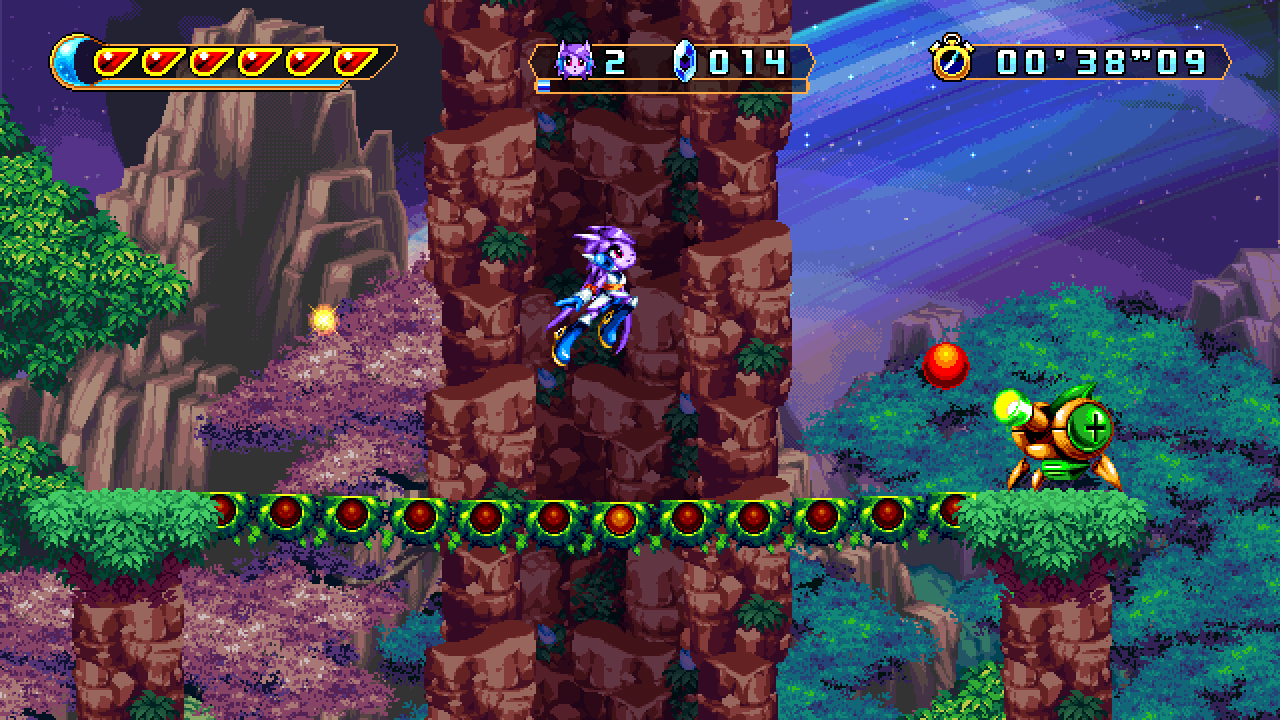
A video game genre classifies a game by how it is played — its core mechanics, goals and player interactions — rather than by its story, setting or art style. This explainer defines the main genres (action, adventure, RPG, strategy, simulation, sports, puzzle and more), what separates each one, and which well-known titles illustrate them.
According to the Wikipedia entry on video game genre, genre in gaming is defined mainly by gameplay mechanics, not by narrative or visual elements. A shooter stays a shooter and a platformer stays a platformer regardless of its setting, time period or art style — a distinction that separates video game genres from film or literary genres, which lean more on theme and setting.
Where genre labels came from
Genre classification in gaming is not a recent invention. Wikipedia's article on the topic notes that an early attempt to sort games into categories appeared in Atari's 1981 product catalog, which split its library into eight groups. By the 1990s, retail stores arranging games on shelves by type, together with market research firms tracking sales, helped standardise the genre labels that publishers and players still use today.
The core gameplay genres
Most classification guides group games into a handful of core categories based on what the player actually does.
Action: games built around physical challenges — combat, movement and timing — that test reflexes and hand-eye coordination, according to iD Tech's genre guide.
Adventure: gameplay centred on exploration and narrative progress with little combat, classified by iD Tech as including text adventures, graphic adventures and visual novels.
Action-adventure: a hybrid that adds action elements such as combat and item use to adventure-style quests; iD Tech cites The Legend of Zelda as an example, while Uswitch lists God of War (2018), The Last of Us Part II and the Uncharted series.
Role-playing game (RPG): built around character progression through experience and stats, per Uswitch, which names Final Fantasy VII Remake, The Elder Scrolls V: Skyrim and World of Warcraft as examples.
Strategy: according to iD Tech, strategy games give players broad control over resources and units; subtypes include real-time strategy (RTS) and 4X games such as Civilization.
Simulation: designed, per iD Tech, to emulate real or fictional systems — from city building to everyday life — with The Sims and Stardew Valley cited by Uswitch.
Several other categories are organised around a specific activity or competitive format rather than a broad style of play.
Sports and racing: Uswitch describes these as emulations of physical sports or vehicle competition, ranging from realistic simulations to arcade-style play, citing FIFA 22, Gran Turismo 7 and Mario Kart 8 Deluxe.
Puzzle: iD Tech defines these as games requiring the player to solve a problem to advance, with Tetris as its example.
Shooter (FPS/TPS): gunplay-focused games viewed from a first- or third-person perspective; Uswitch lists Call of Duty: Vanguard, Halo Infinite and Doom Eternal.
Fighting: one-on-one or team combat using button and movement combinations, per Uswitch, which names Street Fighter 5, Tekken 8 and Mortal Kombat 11.
Platformer: movement-based level navigation through running, jumping and climbing, with Uswitch citing Celeste, Cuphead and Hollow Knight.
Core video game genres compared
Genre
Core mechanic
Example games (per sources)
Action
Reflex-based combat, movement, timing
Halo, Call of Duty, Mortal Kombat
Adventure / Action-adventure
Exploration and narrative with light-to-moderate combat
The Legend of Zelda, God of War (2018), Uncharted
Role-playing (RPG)
Character progression via experience and stats
Final Fantasy VII Remake, Skyrim, World of Warcraft
Strategy
Resource management and tactical decisions
Civilization, StarCraft, Age of Empires 4
Simulation
Emulates a real or fictional system or activity
The Sims 4, Stardew Valley, SimCity
Sports & racing
Recreates athletic competition or vehicle racing
FIFA 22, Gran Turismo 7, Mario Kart 8 Deluxe
Puzzle
Problem-solving to advance play
Tetris
Shooter (FPS/TPS)
Gunplay from a first- or third-person view
Doom Eternal, Halo Infinite, Call of Duty: Vanguard
Fighting
One-on-one combat using move combinations
Street Fighter 5, Tekken 8, Mortal Kombat 11
Platformer
Running, jumping and climbing across levels
Celeste, Cuphead, Hollow Knight
MOBA
Team-based hero battles to destroy an enemy base
League of Legends, Dota
Hybrid and overlapping genres
Genres regularly combine, and classification guides don't always agree on where one ends and another begins. iD Tech lists Action RPG, MMORPG and Tactical RPG as subgenres that mix role-playing with action or strategy mechanics, citing Fire Emblem as a tactical RPG example. Uswitch separately defines Sandbox games — open worlds explored non-linearly, such as Minecraft and Grand Theft Auto 5 — and Survival Horror, a genre it says is usually set in hostile situations and leaves players short on resources such as ammunition, crafting materials, speed or visibility, citing Resident Evil Village and Silent Hill 2 as examples. iD Tech, by contrast, treats survival as a subgenre of Action rather than its own category, illustrating how genre boundaries can shift between sources.
Does genre preference vary by player?
Genre popularity differs across age groups. The Entertainment Software Association's 2025 Essential Facts report states that Baby Boomer and Silent Generation players prefer puzzle games (73%) and skill-and-chance games (55%) over other genres, with 77% of this group saying they play to pass the time or relax and 65% to keep their minds sharp. The report does not break down preferred genres for younger generations in the same level of detail.
Questions
What exactly defines a video game genre?
Per Wikipedia's article on video game genre, it is defined by gameplay mechanics and player interaction — what the player actually does — rather than by story, setting or art style.
What is the difference between an adventure game and an action-adventure game?
iD Tech classifies adventure games as focused on exploration and story with little combat, while action-adventure adds combat and item-based challenges on top of that exploration and quest structure, as in The Legend of Zelda.
Is RPG the same as Action RPG?
No. According to iD Tech, a standard RPG centres on character progression through stats and experience, while Action RPG is a subgenre that blends those progression systems with real-time action combat.
Where did video game genre classification come from?
Wikipedia's video game genre article traces an early formal attempt to Atari's 1981 catalog, which sorted its games into eight categories; retail shelving and market research in the 1990s further standardised the labels still used today.
Do genre preferences differ by age group?
Yes. The ESA's 2025 Essential Facts report found that Baby Boomer and Silent Generation players favor puzzle games (73%) and skill-and-chance games (55%) more than other genres, mainly to relax or keep their minds active.
This piece was prepared with artificial intelligence and passed an automated source check before publication. If you see an error, ask for a correction. Request a correction or reply · How we make this
A new industry report says the PC version of Grand Theft Auto 6 could arrive in the first quarter of 2027, only two to four months after the PlayStation 5 and Xbox Series X/S launch on November 19, 2026. Rockstar Games has not confirmed a PC release date, and the report is based on four anonymous industry sources.
Esports is organised, competitive video gaming watched by hundreds of millions of people and funded by sponsorships, media rights and betting revenue worth billions of dollars a year. It grew from small arcade tournaments in the early 1980s into a business backed by game publishers, sponsors and, increasingly, state investment from countries such as Saudi Arabia, which will host the first Olympic Esports Games in 2027.
Sony says new PlayStation games will stop shipping on physical discs after January 2028, citing a consumer shift to digital downloads. It is not the first time Sony has tried this: in 2009 the disc-less PSP Go was boycotted by some retailers and discontinued within about two years.
The right board game depends on who is playing it. This guide lists three recent Spiel des Jahres jury winners for family game night, three of BoardGameGeek's longest-reigning top-ranked titles for competitive groups, and three games that rank highly on Wargamer's dedicated solo-play guide for one-player sessions.