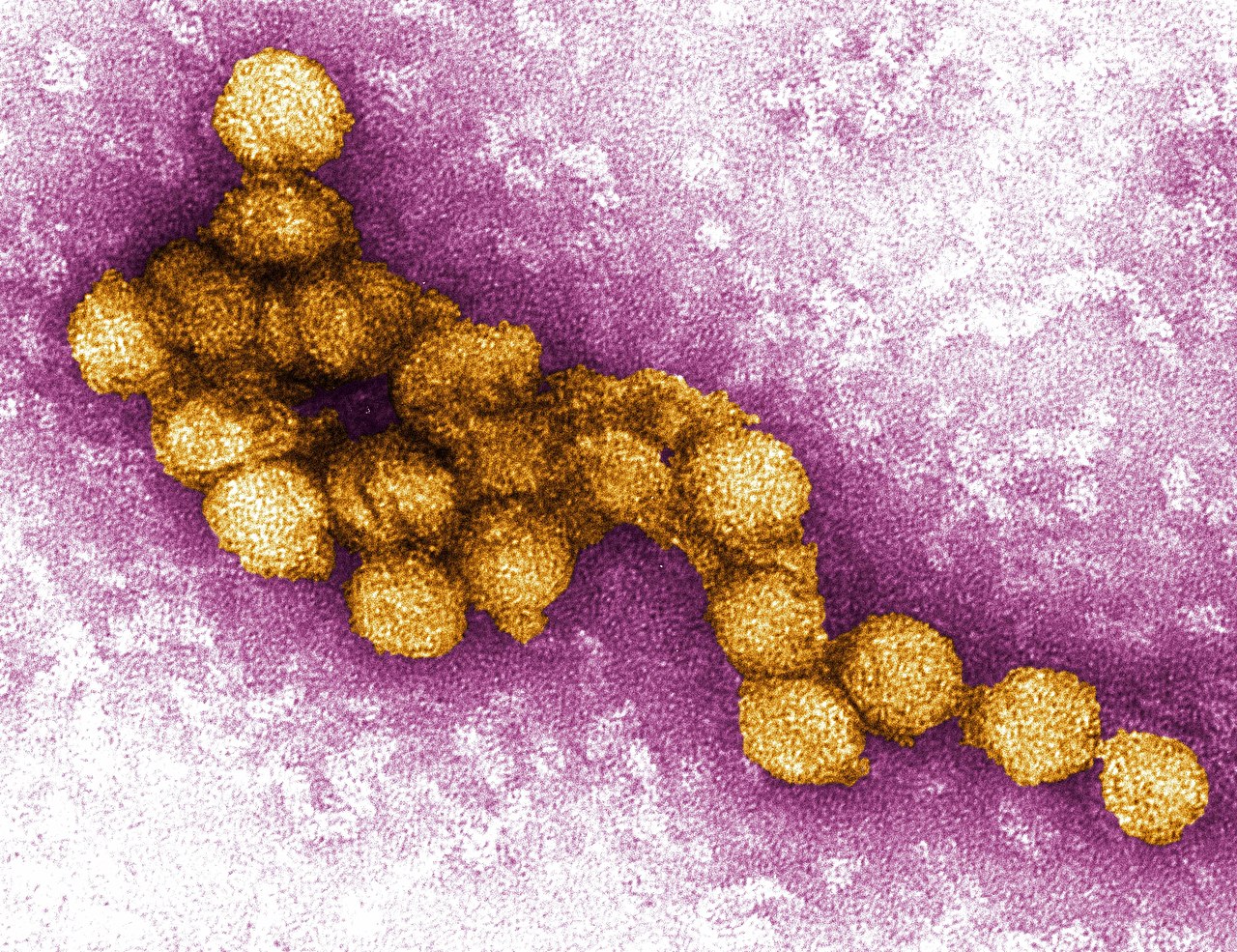
France's national public health agency, Santé publique France, reported 145 autochthonous (locally transmitted) human cases of West Nile virus in mainland France in its enhanced surveillance bulletin dated September 28, 2026. That figure includes 28 new cases recorded in the single week leading up to the bulletin, according to the agency's data cited by the health-news outlet Outbreak News Today. The count exceeds the previous season's full-year total of 62 cases reported in 2025.
Where the virus is spreading
According to Santé publique France's bulletin, cases have been confirmed across several French regions: Provence-Alpes-Côte d'Azur (3 departments), Occitanie (7 departments), Île-de-France (7 departments), Auvergne-Rhône-Alpes (3 departments), Nouvelle-Aquitaine (1 department, Gironde), Pays de la Loire (3 departments) and Centre-Val de Loire (1 department, Loiret). Fourteen cases had no identified place of contamination. The French science-and-research outlet The Conversation reported that the virus has now been detected in 25 French departments overall, including Île-de-France, a region where it had not previously circulated before 2025.
Deaths and severe cases in Île-de-France
In the Île-de-France region specifically, the regional health monitoring outlet La Clé Publique reported 23 confirmed cases as of September 28, of which 13 developed the neuro-invasive form of the disease. Three deaths were recorded in the region, among patients aged 49, 73 and 88. By department, Val-de-Marne had 7 cases, Essonne 5, Seine-Saint-Denis 4, Val-d'Oise 3, Seine-et-Marne 2, and Yvelines and Hauts-de-Seine 1 each; no human case had been confirmed in Paris itself, though the virus was detected in birds there.
What West Nile virus is and how it spreads
West Nile virus is an arbovirus of the Orthoflavivirus genus, first isolated in Uganda in 1937, according to The Conversation. It circulates mainly between wild birds, which act as the main reservoir, and Culex pipiens mosquitoes, the common mosquito widespread in Europe. Mosquitoes become infected after biting infected birds and can then transmit the virus to humans and horses through subsequent bites. The virus cannot pass directly from one infected person to another through mosquito bites, because viral loads in human blood are too low; rarer transmission routes include blood transfusion and organ transplantation.
Symptoms and who is most at risk
Around 80% of infections produce no symptoms at all, according to The Conversation and La Clé Publique. Symptomatic cases typically involve fever, headache, general weakness, and muscle or joint pain, sometimes with a rash. Severe neuro-invasive forms—encephalitis, meningitis or paralysis—affect fewer than 1% of infected people overall, but these severe cases make up a larger share of what is actually diagnosed, since mild infections are rarely tested for. The Conversation reported that elderly people and those with chronic conditions such as cardiovascular disease, diabetes or cancer face a higher risk of severe illness, and that 40% to 50% of patients with severe disease retain lasting cognitive, functional or physical after-effects.
Why cases are rising this year
The Conversation attributed the increase to several combined factors. Warmer temperatures linked to climate change extend the mosquitoes' active season, lengthen their lifespan and speed up viral replication inside them. Migratory birds re-introduce the virus into Europe each year. The geographic range of confirmed transmission has also widened to regions, such as Île-de-France, that had not previously recorded local circulation.
The wider European picture
France's outbreak is part of a broader pattern across the Mediterranean region in 2026. An early-August report by Euronews, citing the European Centre for Disease Prevention and Control (ECDC) and national health authorities, put France's case count at just 2 at that time, versus 94 in Italy and 65 in Greece; Greece recorded six deaths, all in patients over 65 with severe central-nervous-system involvement. These figures come from different national agencies and reporting dates than the later French totals cited above, so direct comparisons between countries should be read with that in mind.
Prevention measures recommended
Health authorities cited by La Clé Publique recommend standard mosquito-bite prevention: wearing protective clothing, using insect repellent, installing mosquito screens on windows, and eliminating standing water around homes where Culex mosquitoes breed. There is no vaccine for West Nile virus approved for human use in Europe.
This piece was prepared with artificial intelligence and passed an automated source check before publication. If you see an error, ask for a correction. Request a correction or reply · How we make this