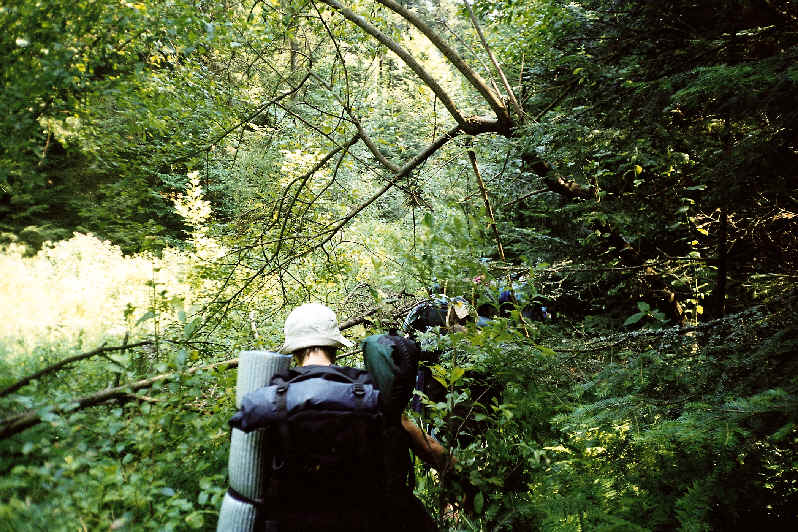
A first backpacking trip comes down to four things: checking permits and planning the route, assembling a shelter/sleep/cooking system, loading the pack in the right order, and following Leave No Trace rules. This guide draws on the U.S. National Park Service and outdoor-gear guides to walk through fitting a pack, packing it bottom-to-top, and the specific safety and waste rules backcountry areas enforce.
Before buying gear, the U.S. National Park Service recommends settling the basics of a trip: confirm whether the destination requires a permit, check park-specific regulations, and decide on a destination, trip duration and daily mileage that accounts for elevation change. The agency also advises sharing a detailed itinerary — including vehicle information — with someone at home and with rangers, and checking back in once the trip ends.
Testing gear before you leave
The Park Service says every piece of equipment should be tested before departure: stoves lit, headlamps charged, and the correct fuel canisters or batteries confirmed. It also recommends trying on a loaded backpack and hiking boots on a test hike beforehand, traveling with companions rather than alone, and staying alert to terrain and weather hazards such as rockfalls, flash floods, avalanches, lightning and sudden temperature drops.
Building the gear system
According to the packing checklist published by outdoor-travel site Fresh Off the Grid, a backpacking kit is built around a shelter, a sleep system, a cooking setup, clothing, navigation tools and safety items. Sleeping bags in its list are commonly rated to either 15°F or 30°F depending on expected conditions, while sleeping pads are rated by R-value, ranging from about R-2 for warm-weather use up to R-5.5 or higher for cold conditions. Cookware is sized to the group: a 650–750 mL pot for one person, or 1.2 liters or larger for two.
Clothing recommendations in the same list call for non-cotton, moisture-wicking hiking tops, two to three pairs of quick-dry underwear, a warm base layer top and bottom, an insulated jacket, and separate rain jacket and rain pants. For emergency communication beyond cell signal, the list cites the Garmin inReach Mini, a satellite messenger weighing about 3.5 ounces, as an example device.
Sleep and cook system specifications cited in packing guides
Item
Specification (source)
Sleeping bag
Rated to about 15°F or 30°F depending on conditions (Fresh Off the Grid)
Sleeping pad
R-value from about R-2 (warm) to R-5.5+ (cold) (Fresh Off the Grid)
Cook pot
650–750 mL for one person; 1.2 L+ for two people (Fresh Off the Grid)
Satellite messenger
Example cited: Garmin inReach Mini, about 3.5 oz (Fresh Off the Grid)
Fitting the pack correctly
The American hiking organization AMC Outdoors states that a correctly fitted pack should transfer roughly 80 percent of its weight to the hips and lower body, with only about 20 percent carried at the front of the shoulders — none should rest on top of them. To get there, the bony point of the hip (the iliac crest) should sit centered in the middle of the hip belt, with the belt's padding extending roughly halfway between the hip and the buckle. Shoulder straps should attach to the pack about one to two inches below the top of the shoulders — a fit check is sliding a finger between the strap and the shoulder. Load-lifter straps, once tightened, should form a 30- to 45-degree angle with the shoulder straps.
Packing the bag: bottom to top
Fit and clip the hip belt first so the iliac crest sits centered in the belt, following the AMC Outdoors guidance above.
Pack the bottom zone with bulky, lightweight items you won't need until camp — a sleeping bag or quilt in a compression sack, camp-only clothing such as a puffy jacket, and sometimes the sleeping pad, as described by gear maker Enlightened Equipment's packing guide.
Load the core/middle zone, pressed close to the internal frame near the spine at shoulder-blade height, with the heaviest and densest items: food, water, stove, fuel canister, cook pot and the tent body.
Fill the top zone with bulky items you may need during the day — rain gear, an insulated jacket, a first-aid kit and snacks you can reach on breaks.
Use external mesh pockets, hip-belt pockets and the pack's lid for grab-and-go items: water bottles on the sides, trekking poles in external loops, and phone, snacks or headlamp within easy reach.
Safety, waste and Leave No Trace rules
The National Park Service lists seven Leave No Trace principles for backcountry travel: plan ahead and prepare; travel and camp on durable surfaces; dispose of waste properly; leave what you find; minimize campfire impacts; respect wildlife; and be considerate of other visitors.
Camp at least 200 feet from lakes and streams, concentrating use on existing trails in popular areas and dispersing it in pristine ones.
Pack out all trash and leftover food; for human waste, dig catholes 6 to 8 inches deep and at least 200 feet from water, camps and trails.
Wash dishes or yourself at least 200 feet away from streams or lakes.
Use a lightweight stove instead of a fire where possible; if fires are allowed, use established rings and burn only dead wood down to ash.
Store food securely and keep a safe distance from wildlife; never feed animals.
Pack it in, pack it out.
— U.S. National Park Service, Leave No Trace guidance
Questions
How much of a loaded backpack's weight should rest on my hips?
About 80 percent of the pack's weight should transfer to the hips and lower body, with roughly 20 percent on the front of the shoulders and none on top of them, according to AMC Outdoors.
How deep should I dig a hole to bury human waste while backpacking?
The National Park Service's Leave No Trace guidance says catholes should be 6 to 8 inches deep and located at least 200 feet from water, campsites and trails.
How far from a lake or stream should I set up camp?
Leave No Trace guidance published by the National Park Service recommends camping at least 200 feet from lakes and streams.
What order should I pack items into my backpack?
According to Enlightened Equipment's packing guide, bulky camp-only items go at the bottom, the heaviest gear (food, water, stove, tent body) goes in the middle against the frame, daytime essentials go on top, and frequently used small items go in external and hip-belt pockets.
What temperature rating should a beginner's sleeping bag have?
Fresh Off the Grid's checklist lists sleeping bags commonly rated to either 15°F or 30°F depending on expected trip conditions, paired with a sleeping pad rated from about R-2 up to R-5.5 or higher for colder weather.
This piece was prepared with artificial intelligence and passed an automated source check before publication. If you see an error, ask for a correction. Request a correction or reply · How we make this
Ecotourism means traveling to natural areas in a way that protects the environment, supports local livelihoods and educates visitors, according to The International Ecotourism Society. This guide explains the difference between ecotourism and the broader term "sustainable tourism," what data show about tourism's environmental footprint, and concrete steps travelers can take, from checking certifications to timing trips around crowds.
U.S. airport security still runs on the 3-1-1 liquids rule: containers of 3.4 ounces or less, all fitting into one quart-size clear bag. Shoes no longer have to come off for most travelers since July 2025, but power banks and spare lithium batteries must stay in carry-on bags, and airlines are now adding their own limits on how many you can bring.
Planning an affordable trip starts with setting a budget before picking a destination, then timing flight and insurance purchases to known discount windows. Data from flight-booking platforms and a major airfare study show domestic tickets are cheapest roughly three to eight weeks before departure, while travel insurance should generally be bought within two to three weeks of the first trip payment to keep full benefits.
Budget travel comes down to three levers: when you book and fly, where you sleep and eat, and which destination you pick. Data from Expedia's 2026 Air Hacks Report (via AFAR) and travel-cost guides from Going and Nomadic Matt show concrete ways to cut each of those costs, from the cheapest day to fly to five-dollar local meals.