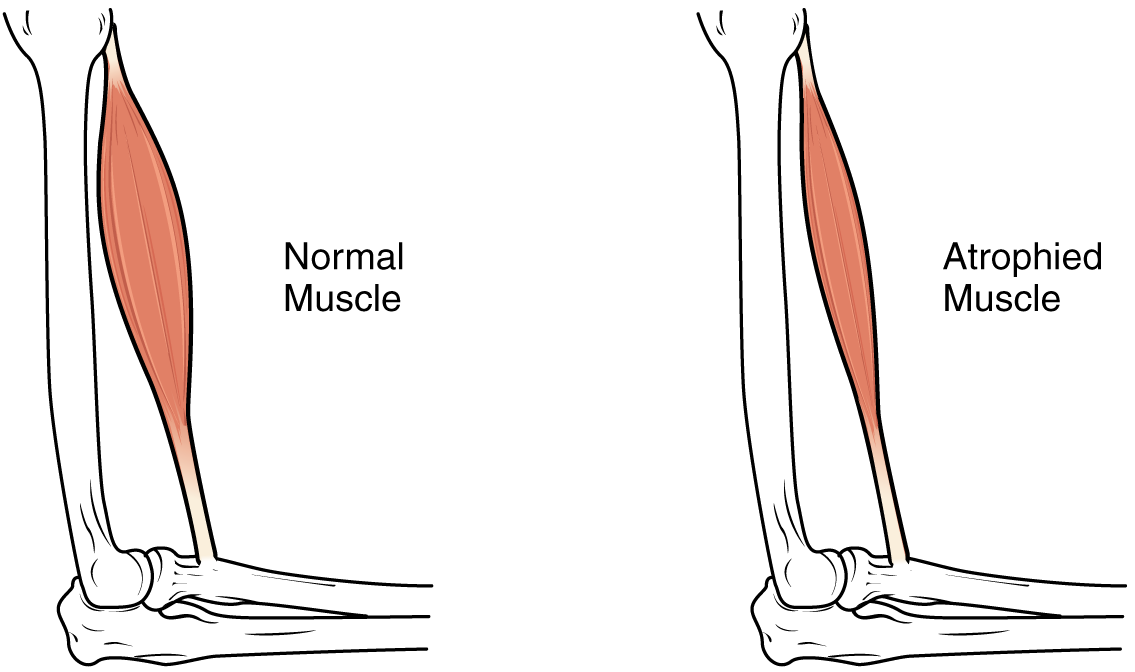
Muscle mass and strength decline steadily from around age 30 and speed up after 60, a process doctors call sarcopenia. Health organizations and clinicians say the decline can be slowed — not reversed on its own — through regular strength training, adequate protein, consistent sleep and staying physically active, even with minor limitations.
Age-related muscle loss, known medically as sarcopenia, does not appear suddenly in old age. According to UT Southwestern Medical Center, the process can begin as early as age 40, and its prevalence roughly doubles — from about 8.85% in adults aged 40 to 64 to about 15.51% in those 65 and older.
Why Muscle Loss Happens
UCLA Health states that muscle mass declines by roughly 8% per decade starting around age 30, with the rate accelerating after age 60. UT Southwestern attributes the decline to a combination of inadequate nutrition, insufficient exercise and hormonal changes, and notes that lost muscle tends to be replaced by fat, raising the risk of obesity, type 2 diabetes, heart attack, stroke, kidney disease and certain cancers.
The functional consequences can be significant: UCLA Health reports that roughly 30% of adults over 70 experience mobility challenges, and post-menopausal women can lose up to 20% of bone mineral density within seven years, compounding the effects of muscle loss on fall risk and independence.
Steps to Maintain Strength as You Age
The Centers for Disease Control and Prevention (CDC) and other health sources outline a consistent set of actions that can slow — though not fully stop — age-related decline.
Strength-train at least 2 days a week. The CDC recommends muscle-strengthening activities at least twice weekly, targeting all major muscle groups (legs, hips, back, abdomen, chest, shoulders, arms). UCLA Health adds that training 2–3 times a week on non-consecutive days is typical guidance, and that high-intensity resistance training — lifting the weight rapidly and lowering it slowly — is most effective for bone density.
Get regular aerobic activity. The CDC advises at least 150 minutes of moderate-intensity aerobic activity per week (or 75 minutes of vigorous activity) for adults 65 and older.
Add balance exercises. The CDC lists activities such as walking heel-to-toe or standing up from a seated position as ways to reduce fall risk alongside strength work.
Prioritize protein intake. New York-based fitness coach Jacob Zemer, who primarily trains clients aged 35 to 55, told Fox News Digital that people who strength-train regularly should aim for roughly 0.8 to 1 gram of protein per pound of body weight, since protein drives muscle protein synthesis — the body's repair-and-build process.
Get 7 to 9 hours of sleep. Zemer said consistent sleep deprivation, around 5 hours a night, is linked to more rapid muscle decline, while occasional short sleep is not.
Stay active even with injury or limitation. Zemer said regular movement — even without structured workouts — helps slow muscle loss, while being sedentary is linked to faster decline. He said even short, 30-minute sessions twice a week can maintain existing muscle, though they may not build new muscle.
Treat some activity as better than none. The CDC states that for those unable to meet full recommendations, 'some physical activity is better than none at all.'
Exercise Recommendations at a Glance
CDC and clinician guidance for adults 65+
Activity
Recommended frequency
Source
Aerobic exercise
At least 150 min/week moderate intensity, or 75 min vigorous
CDC
Strength training
At least 2 days/week, all major muscle groups
CDC
Strength training (clinical)
2–3 times/week, non-consecutive days
UCLA Health
Balance exercises
Regularly, alongside strength work
CDC
Protein intake (while training)
~0.8–1 g per pound of body weight
Fitness coach Jacob Zemer, via Fox News Digital
Sleep
7–9 hours nightly
Jacob Zemer, via Fox News Digital
What Clinicians Say
If you don't use it, you will eventually lose it.
— Dr. Humza Siddiqi, primary care physician, UT Southwestern Medical Center at RedBird
UT Southwestern's Dr. Siddiqi says strength training is the most effective intervention documented to slow sarcopenia's progression, citing additional benefits such as improved bone density, better mobility, lower fracture risk and, when combined with cardio exercise, reduced abdominal fat.
Who Faces the Highest Risk
Adults who are physically inactive or sedentary, which UT Southwestern and Fox News Digital's expert both link to faster muscle decline.
Adults with inadequate protein or overall nutrition, cited by UT Southwestern as a contributing cause of sarcopenia.
Post-menopausal women, who UCLA Health says can lose up to 20% of bone mineral density within seven years of menopause.
Adults over 70, roughly 30% of whom experience mobility challenges, according to UCLA Health.
None of the sources reviewed suggest muscle loss can be completely prevented with age. Instead, they frame strength training, adequate protein, sufficient sleep and consistent movement as evidence-backed ways to slow the decline and preserve independence, mobility and strength later in life.
Questions
At what age does muscle loss typically start?
UT Southwestern Medical Center says sarcopenia, the medical term for age-related muscle loss, can begin as early as age 40, while UCLA Health describes measurable decline starting around age 30 and accelerating after 60.
How often should older adults do strength training?
The CDC recommends muscle-strengthening activity at least 2 days a week covering all major muscle groups; UCLA Health cites 2 to 3 non-consecutive days a week as typical clinical guidance.
How much protein is recommended to help maintain muscle?
Fitness coach Jacob Zemer told Fox News Digital that people who strength-train regularly should aim for about 0.8 to 1 gram of protein per pound of body weight; the sources reviewed did not give a government-set protein target specifically for seniors.
Can sarcopenia be reversed?
The sources reviewed describe strength training as a way to slow sarcopenia's progression and reduce its effects, not as a guaranteed cure; UT Southwestern calls it the most effective documented way to slow sarcopenia's progression.
Is some exercise better than none for older adults?
Yes — the CDC states that for adults who cannot meet full activity guidelines, some physical activity is better than none at all.
This piece was prepared with artificial intelligence and passed an automated source check before publication. If you see an error, ask for a correction. Request a correction or reply · How we make this
Metabolism is the set of chemical reactions that turn food into usable energy, and resting metabolic rate alone accounts for roughly 60% to 70% of the calories most people burn each day, according to the Cleveland Clinic. How fast that baseline runs depends mainly on body size, muscle mass, sex and age rather than willpower, and a 2021 study in the journal Science found metabolism moves through four distinct stages across a lifetime instead of declining steadily after young adulthood.
A resident of La Séguinière, near Cholet in France's Maine-et-Loire department, tested positive for dengue in early October 2026, prompting the regional health agency to plan insecticide spraying in the person's neighbourhood. The operation follows similar interventions this year at Orvault, near Nantes, and last year at Trélazé, as the tiger mosquito that spreads the virus keeps expanding across the region.
A Nationwide Retirement Institute survey finds that 51% of current GLP-1 users worry they will have to choose between staying on the medication and saving for retirement, and 54% say they have already changed how they manage money to keep paying for it. The findings point to a widening gap between the drugs' price and what many households can absorb without touching long-term savings.
France's 2026–2027 COVID-19 and flu vaccination campaign began on 13 October, as doctors and emergency rooms reported more suspected COVID-19 cases nationwide. An epidemiologist described the rise as a new wave, but the Health Ministry said on 5 October that the increase did not justify moving the campaign's start date earlier.