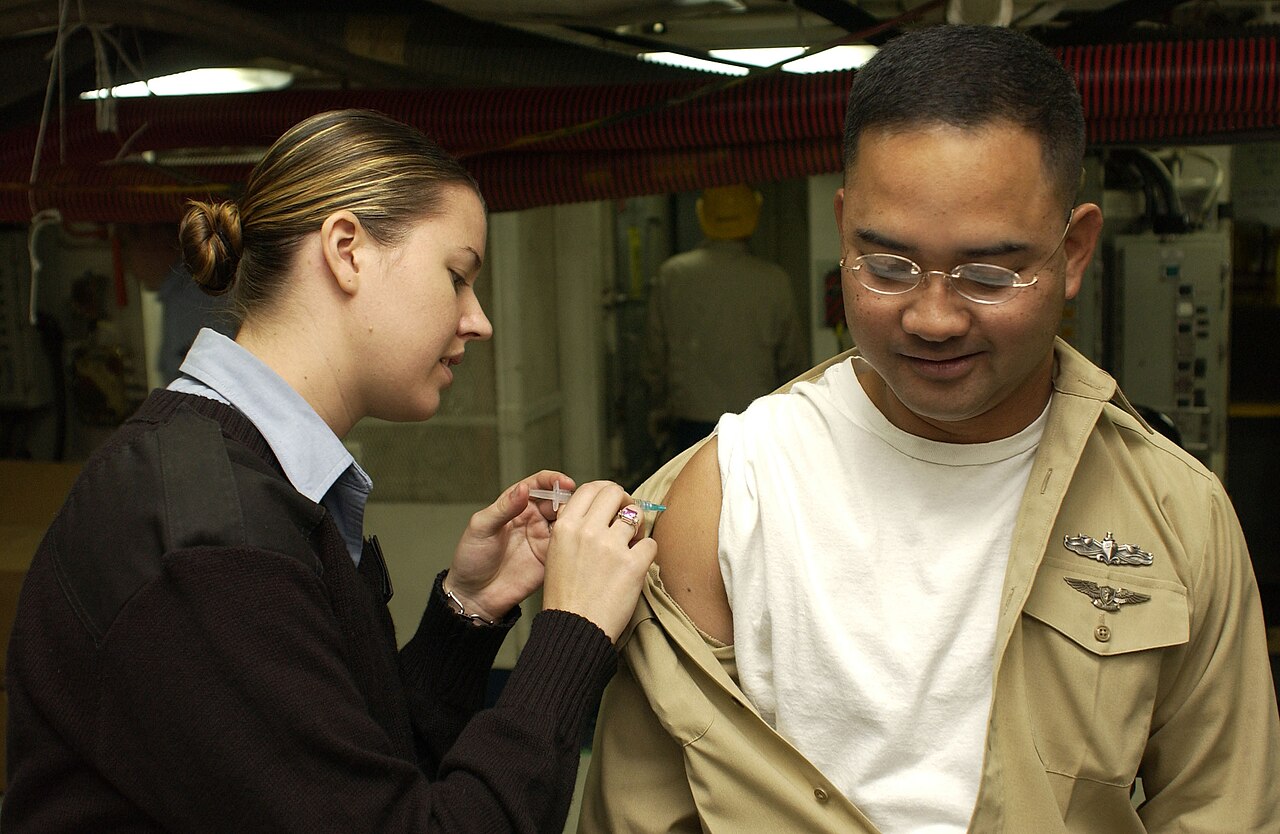
As the 2026/27 flu season opens, national health bodies in Germany and the United States have published fresh guidance on who should be vaccinated and when. The recommendations differ slightly by country but agree on the core message: vaccination is most useful for people at higher risk of severe illness, and timing matters because protective antibodies take about two weeks to build up.
Who is recommended to get vaccinated
In Germany, the Standing Committee on Vaccination (STIKO) at the Robert Koch Institute (RKI) recommends annual flu vaccination for everyone aged 60 and older. The recommendation also covers pregnant women from the second trimester onward — or from the first trimester if an underlying illness raises the risk of complications — and breastfeeding women, according to RKI's official FAQ page updated on 10 September 2026.
Other German target groups include children, adolescents and adults with chronic conditions such as respiratory, cardiovascular, liver or kidney disease, diabetes and other metabolic disorders, certain neurological conditions, and immunodeficiencies, RKI states. Residents of nursing and care homes, healthcare personnel, and people in jobs with heavy public contact are also named as groups the STIKO recommends for vaccination. RKI adds that cancer patients undergoing chemotherapy should be vaccinated at least two weeks before treatment starts or between treatment cycles.
In the United States, the Centers for Disease Control and Prevention (CDC) recommends that everyone aged 6 months and older get a flu vaccine every season, with rare exceptions. The CDC says vaccination is especially important for people more likely to develop complications, including young children, adults 50 and older, people with chronic lung, heart, kidney, liver, neurologic, blood or metabolic conditions such as diabetes, people who are immunocompromised, and pregnant people.
When to get the shot
RKI advises vaccination in autumn and winter, from October up to mid-December, so that immunity — which needs 10 to 14 days to develop — is in place before flu activity typically peaks after the New Year in Germany. The CDC similarly names September and October as the optimal vaccination months in the US, with vaccination ideally completed by the end of October, while noting that getting vaccinated later in the season still provides benefit as long as flu viruses are circulating.
Both agencies caution against vaccinating too early. The CDC says July and August vaccination is generally not preferred for most adults, especially those 65 and older, and for pregnant people in their first or second trimester, because protection can wane before the season's peak. An exception applies to people in their third trimester of pregnancy, for whom earlier vaccination may be considered so antibodies pass to the newborn.
Vaccine types by age
For adults 60 and older, RKI's Standing Vaccination Commission recommends either a high-dose influenza vaccine or an MF59-adjuvanted vaccine; RKI said in an announcement dated 31 October 2024 that it considers the two equally effective at preventing illness and complications in this age group. The CDC likewise advises that adults 65 and older in the US preferentially receive a high-dose, recombinant, or adjuvanted vaccine when available, naming Fluzone High-Dose, Flublok and Fluad as options, while stating any age-appropriate vaccine is acceptable if those are unavailable.
RKI notes that only one dose per season is needed for most people, except children receiving their first-ever flu vaccination, who need two doses at least four weeks apart. The CDC gives similar guidance for children aged 6 months through 8 years who need two doses, recommending they start as soon as vaccine is available so the second dose can be given by the end of October.
Where to get vaccinated in Germany
In Germany, the pharmacists' association ABDA launched a campaign called "Bei euch piekt's wohl" on 1 October 2026 to raise awareness that pharmacies, not only doctors' surgeries, offer flu and COVID-19 vaccinations. ABDA president Thomas Preis said roughly half of survey respondents said they could imagine getting vaccinated at a pharmacy if they knew the option existed. According to ABDA, nearly 220,000 people were vaccinated at German pharmacies in the previous season, double the number from the season before. Public advertising for the campaign begins in early November, coinciding with the Federal Health Ministry's vaccination action week, and participating pharmacies can be found via the site dieapotheken.de.
Flu vaccination recommendations: Germany vs United States| Topic | Germany (RKI/STIKO) | United States (CDC) |
|---|
| Who should get vaccinated | Age 60+, pregnant/breastfeeding women, people with chronic illness, care-home residents, healthcare and public-facing workers | Everyone age 6 months+, with emphasis on young children, adults 50+, chronic illness, immunocompromised, pregnant people |
|---|
| Preferred timing | October to mid-December | September–October, ideally completed by end of October |
|---|
| Vaccine for older adults | High-dose or MF59-adjuvanted vaccine (60+) | High-dose, recombinant or adjuvanted vaccine preferred (65+) |
|---|
| Children needing two doses | First-ever vaccination: 2 doses, 4 weeks apart | Ages 6 months–8 years (if not previously vaccinated): 2 doses, 4 weeks apart |
|---|
Steps to plan a flu shot
- Check whether you fall into a recommended group: age 60+ (Germany) or 65+/50+ risk factors (US), pregnancy, chronic illness, or close contact with at-risk people.
- Aim to be vaccinated in October, since antibodies need about 10–14 days to build up before flu activity rises.
- If you are 60 or older, ask specifically for a high-dose or adjuvanted vaccine, which both RKI and the CDC say work better in this age group.
- If a child is receiving their first flu vaccine, plan for two doses at least four weeks apart, ideally finishing by late October.
- In Germany, vaccination is available at GP practices and, increasingly, at pharmacies; check dieapotheken.de for participating locations.
Questions
- Who should get a flu vaccine according to German authorities?
- RKI's Standing Vaccination Commission (STIKO) recommends flu vaccination for everyone aged 60 and older, pregnant women from the second trimester (or earlier with a risk-raising condition), people with certain chronic illnesses, care-home residents, and healthcare or public-facing workers.
- When is the best time to get a flu shot?
- RKI advises vaccination from October to mid-December so immunity is established before flu activity typically peaks after the New Year; the CDC recommends September–October in the US, ideally finished by the end of October, since protective antibodies take about two weeks to develop.
- Is it too early or too late to get vaccinated in July or August?
- The CDC says July–August vaccination is generally not preferred for most adults, especially those 65 and older, and for pregnant people in early pregnancy, because protection may wane before flu season peaks; an exception exists for third-trimester pregnancy.
- Which flu vaccine should older adults get?
- RKI recommends either a high-dose or an MF59-adjuvanted vaccine for people 60 and older, calling them equally effective; the CDC recommends adults 65 and older preferentially receive a high-dose, recombinant, or adjuvanted vaccine, such as Fluzone High-Dose, Flublok or Fluad.
- Can I get a flu vaccine at a pharmacy in Germany?
- Yes. ABDA, the German pharmacists' association, says an increasing number of pharmacies offer flu vaccination, with nearly 220,000 people vaccinated at pharmacies in the previous season; participating pharmacies can be found via dieapotheken.de.
This piece was prepared with artificial intelligence and passed an automated source check before publication. If you see an error, ask for a correction. Request a correction or reply · How we make this