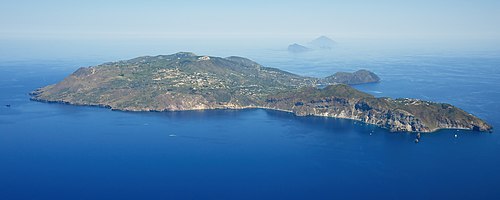
Mount Anak Krakatau, a volcanic island between Java and Sumatra, began a major eruption on the night of September 5, 2026, according to Al Jazeera. The eruption sent volcanic ash into the air corridors above western Java, prompting aviation authorities to ground flights for safety reasons.
Which airports closed
Indonesian outlets CNN Indonesia and Kumparan report that four airports operated by state company Angkasa Pura Indonesia were shut: Soekarno-Hatta International Airport (Soetta) in the Jakarta area, Halim Perdanakusuma in Jakarta, Tanjung Karang in Lampung province (which closed first), and Husein Sastranegara in Bandung. Al Jazeera reported that at least five airports nationwide were closed in total, with more than 2,900 flights affected.
Soekarno-Hatta's shutdown began on September 6, 2026, according to Kumparan. Agus Hariyadi, Angkasa Pura's Director of Operations, told CNN Indonesia that warning signs emerged the previous afternoon, September 5, when Pelita Air's Director of Safety, Eriza Muslim, raised concerns about ash drifting toward Jakarta and the airline pressed for a closure decision.
Financial and passenger impact
Angkasa Pura reported that the two-day closure cost the company about 40 billion rupiah in losses, according to CNBC Indonesia and Kumparan. Agus Hariyadi said this was the first time Soekarno-Hatta had closed completely in his 35 years at the airport, noting that even the COVID-19 pandemic did not force a full shutdown.
Reported figures on the Anak Krakatau airport disruption| Metric | Figure | Source |
|---|
| Financial loss (Angkasa Pura airports, 2 days) | ≈ Rp 40 billion | Angkasa Pura, via CNBC Indonesia & Kumparan |
|---|
| Passengers affected (Angkasa Pura airports) | 200,000+ | Kumparan |
|---|
| Airports closed nationwide | At least 5 | Al Jazeera |
|---|
| Flights affected nationwide | ≈ 2,900 | Al Jazeera |
|---|
| Travelers affected nationwide | 340,000+ | Al Jazeera |
|---|
| Soekarno-Hatta normal daily traffic | ≈1,000 aircraft movements / 130,000 passengers | Kumparan |
|---|
Angkasa Pura arranged buses to alternative Java airports in Solo, Yogyakarta and Surabaya and provided accommodation and provisions for passengers stranded at closed terminals, Kumparan reported.
How the closure unfolded
According to CNN Indonesia, coordination between Pelita Air and the Directorate General of Air Transportation took place by phone and WhatsApp on the afternoon of September 5 as officials assessed data indicating ash was spreading toward Jakarta's air corridor. Agus Hariyadi said the airline repeatedly pushed for a shutdown starting that afternoon.
Al Jazeera reported that Anak Krakatau produced at least three further eruptions on the morning of September 8, before winds cleared ash away from the airports and allowed Soekarno-Hatta and the other four closed airports to reopen that day. Indonesian Transport Minister Dudy Purwagandhi said authorities would inspect aircraft before resuming flights, telling the public, in his words as quoted by Al Jazeera, to show patience while inspections confirmed planes were 'fit to fly.'
CNBC Indonesia and Kumparan reported Angkasa Pura's financial-loss figures without giving a comprehensive national count of cancelled flights; Al Jazeera's figure of roughly 2,900 affected flights includes delays and reroutes alongside outright cancellations.
Background: why volcanic ash grounds flights
Volcanic ash contains fine silicate particles that can damage jet engines and abrade aircraft windows, which is why aviation authorities routinely close airspace or airports when ash clouds approach flight paths. Anak Krakatau sits in the Sunda Strait between Java and Sumatra and formed from the remnants of the 1883 Krakatoa eruption. Al Jazeera noted that a 2018 eruption of the same volcano triggered a tsunami that killed more than 400 people, though that earlier disaster involved a flank collapse rather than an airport shutdown.
Lana Saria, head of Indonesia's national Geology Agency, told Al Jazeera that the September 2026 activity's impact was smaller than previous eruptions and that authorities would continue monitoring the volcano.
Questions
- Why were Indonesian airports closed because of Anak Krakatau?
- Volcanic ash from the eruption spread toward Jakarta's air corridor, and ash can damage jet engines, so aviation authorities closed Soekarno-Hatta and several other airports as a safety precaution, according to CNN Indonesia and Pelita Air's safety director.
- How long was Jakarta's Soekarno-Hatta airport closed?
- The airport closed on September 6, 2026 and reopened on September 8 after winds cleared the ash, a two-day shutdown according to Kumparan and Al Jazeera.
- How much money did the eruption cost Indonesia's airport operator?
- Angkasa Pura Indonesia reported losses of about 40 billion rupiah across its affected airports during the two-day closure, according to CNBC Indonesia and Kumparan.
- How many passengers were affected by the closures?
- Angkasa Pura said more than 200,000 passengers were affected at its airports, while Al Jazeera reported more than 340,000 travelers were disrupted nationwide and roughly 2,900 flights were affected.
- Has Soekarno-Hatta airport ever closed completely before?
- According to Angkasa Pura's Operations Director Agus Hariyadi, this was the first full closure of the airport in his 35 years there, surpassing even the disruption of the COVID-19 pandemic.
This piece was prepared with artificial intelligence and passed an automated source check before publication. If you see an error, ask for a correction. Request a correction or reply · How we make this