A study of nearly 9,000 middle-aged Canadians found that people who ate the most ultra-processed foods were 40% more likely to show silent, symptom-free brain lesions on MRI scans than those who ate the least. The lesions — tiny strokes and white-matter changes — are tied in later life to stroke and cognitive decline, researchers say, though the study cannot prove the foods caused the damage.
Researchers at McMaster University and Hamilton Health Sciences' Population Health Research Institute (PHRI) in Canada have published findings linking frequent consumption of ultra-processed foods to markers of silent vascular damage in the brain. The results appeared in JAMA Network Open on October 15, 2026.
What the study looked at
The research team analyzed data from close to 9,000 adults aged 35 to 69 who had no diagnosed cardiovascular disease at the start of the study, according to PHRI. Participants completed detailed dietary questionnaires and underwent brain MRI scans, which were reviewed by neurologists who did not know each person's dietary pattern, per Medical Xpress's summary of the research.
Ultra-processed foods made up an average of 25% of participants' daily food servings, PHRI reported. Among the lowest consumers, such foods accounted for 16% of servings, versus 45% among the highest consumers; whole foods fell from 68% to 41% of servings across that same range.
Main finding: a 40% higher likelihood of silent damage
People in the group with the highest ultra-processed food intake were 40% more likely to show MRI evidence of covert brain infarcts — small strokes without obvious symptoms — or a high burden of white-matter hyperintensities, compared with the lowest-intake group, PHRI and Medical Xpress both reported. White-matter hyperintensities are bright spots on MRI scans that indicate damage to the tissue carrying signals between brain regions.
These silent abnormalities do not cause symptoms on their own but have been associated in other research with higher future risk of stroke and cognitive decline, according to PHRI's summary of the findings.
Lowest vs. highest ultra-processed food consumers
Measure
Lowest UPF intake
Highest UPF intake
Share of daily servings that were ultra-processed
16%
45%
Share of daily servings that were whole foods
68%
41%
Odds of silent brain lesions on MRI
Reference group
40% higher odds
Odds of silent brain lesions, women only
Reference group
Nearly double
Differences between women and men, and the role of body fat
The association between ultra-processed food intake and brain lesions appeared stronger in women: those in the highest-intake group were nearly twice as likely to show the brain changes compared with women in the lowest-intake group, PHRI and Medical Xpress reported. Participants with higher ultra-processed intake also carried more overall body fat and more visceral (deep abdominal) fat, which the researchers linked to inflammation that can damage blood vessels, including those supplying the brain.
What researchers said
Usually, this kind of damage is associated with conditions we hear about and treat at a much older age.
— Russell J. de Souza, first author, Population Health Research Institute / McMaster University
Senior author Sonia Anand, also a senior scientist at PHRI, said the findings suggest the link between diet and brain health may be detectable before people notice any problems with memory or thinking, according to the institute's statement.
Which foods, and what the study cannot prove
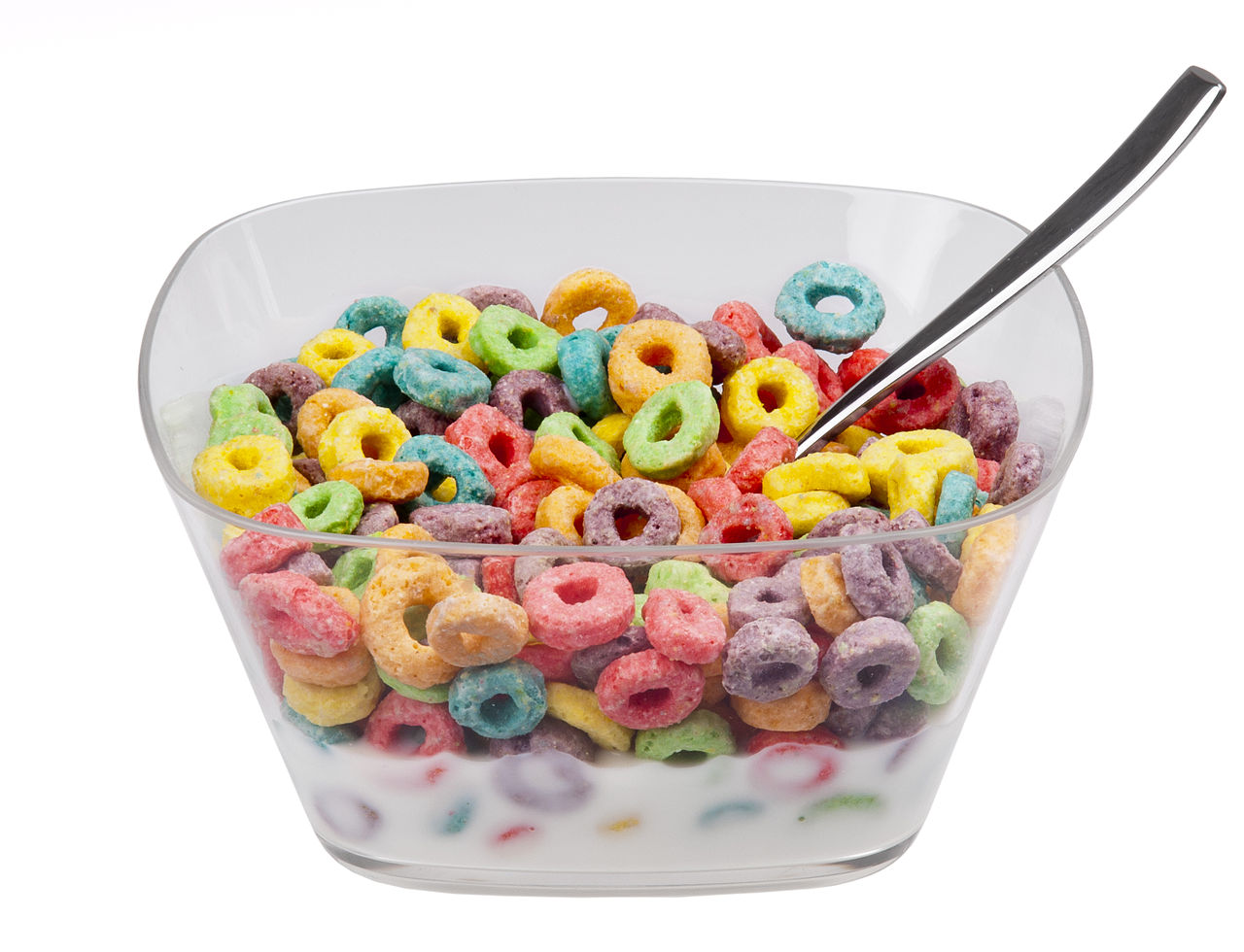
The foods driving higher ultra-processed scores in the study included packaged snack foods, sugary breakfast cereals, soft drinks, instant noodles and ready-to-eat frozen meals, according to PHRI and Medical Xpress. Spanish-language outlets Infobae and El Imparcial, reporting on the same study, described similar categories, including instant soups and sugary cereals.
The study is cross-sectional, meaning diet and brain scans were assessed at a single point in time for each participant. Researchers said this design cannot establish that ultra-processed foods directly caused the brain changes, only that the two are associated. PHRI said longer, longitudinal studies with repeated MRI scans over time are needed to determine whether cutting back on these foods reduces the risk of developing such lesions.
Infobae and El Imparcial, reporting on the same study for Spanish-speaking audiences, both emphasized that no causal relationship was established and that the findings point to the need for attention to diet from middle age onward.
Questions
What exactly did the study find?
Among nearly 9,000 Canadian adults aged 35-69, those who ate the most ultra-processed food were 40% more likely to show silent brain lesions — small strokes without symptoms or white-matter damage — on MRI scans than those who ate the least, according to PHRI.
Does this mean ultra-processed foods cause brain damage?
No. The study found an association, not a cause-and-effect relationship. It used a single-timepoint (cross-sectional) design, so researchers say longer studies with repeated scans are needed before causation can be confirmed.
Which foods counted as 'ultra-processed' in the study?
Categories cited by PHRI and other outlets covering the study included packaged snack foods, sugary breakfast cereals, soft drinks, instant noodles, instant soups and ready-to-eat frozen meals.
Were women affected more than men?
Yes. Among the highest ultra-processed food consumers, women were nearly twice as likely to show brain lesion markers compared with low-consuming women, a stronger association than seen overall, according to PHRI.
Where was the study published?
The findings were published in JAMA Network Open on October 15, 2026, by researchers from the Population Health Research Institute at McMaster University and Hamilton Health Sciences in Canada.
How the world is telling it
SpanishSpanish-language outlets such as Infobae and El Imparcial framed the study around its relevance to the U.S. and Latin American diet, highlighting everyday foods like sodas, sugary cereals and instant soups, and stressed — as the researchers did — that the study shows association, not proven causation, urging attention to diet from middle age.
This piece was prepared with artificial intelligence and passed an automated source check before publication. If you see an error, ask for a correction. Request a correction or reply · How we make this
People who reach 110 years old, known as supercentenarians, tend to be lean, eat a low-calorie plant-heavy diet and keep blood pressure and LDL cholesterol in check, according to Spanish cardiologist Manuel de la Peña. A separate, long-running Boston University study finds that a genetic model becomes increasingly predictive of survival the older a person gets, reaching about 85% accuracy for who lives past 105.
Most Poles and several other EU populations want to stop changing clocks twice a year and keep permanent summer time, but scientists say permanent standard time, not summer time, brings the larger health benefit. The EU has been unable to agree on which option to adopt since 2019, so the biannual switch continues in 2026.
Helen Mirren's party-dressing approach pairs one structured layer, one bold fabric or color, and a single statement accessory, according to a styling breakdown of her looks. At 81, she favors comfort and visual impact over age-based dress codes, based on her own public comments.
The "Gen Z stare" is a blank, expressionless silence that some members of Generation Z give instead of a verbal reply, often in customer-service or small-talk situations. Psychologists quoted by CNN and NBC News describe it as a mix of social anxiety, burnout and a rejection of forced cheerfulness, while older generations often read it as rude. Communication experts recommend asking a clarifying question rather than assuming hostility.