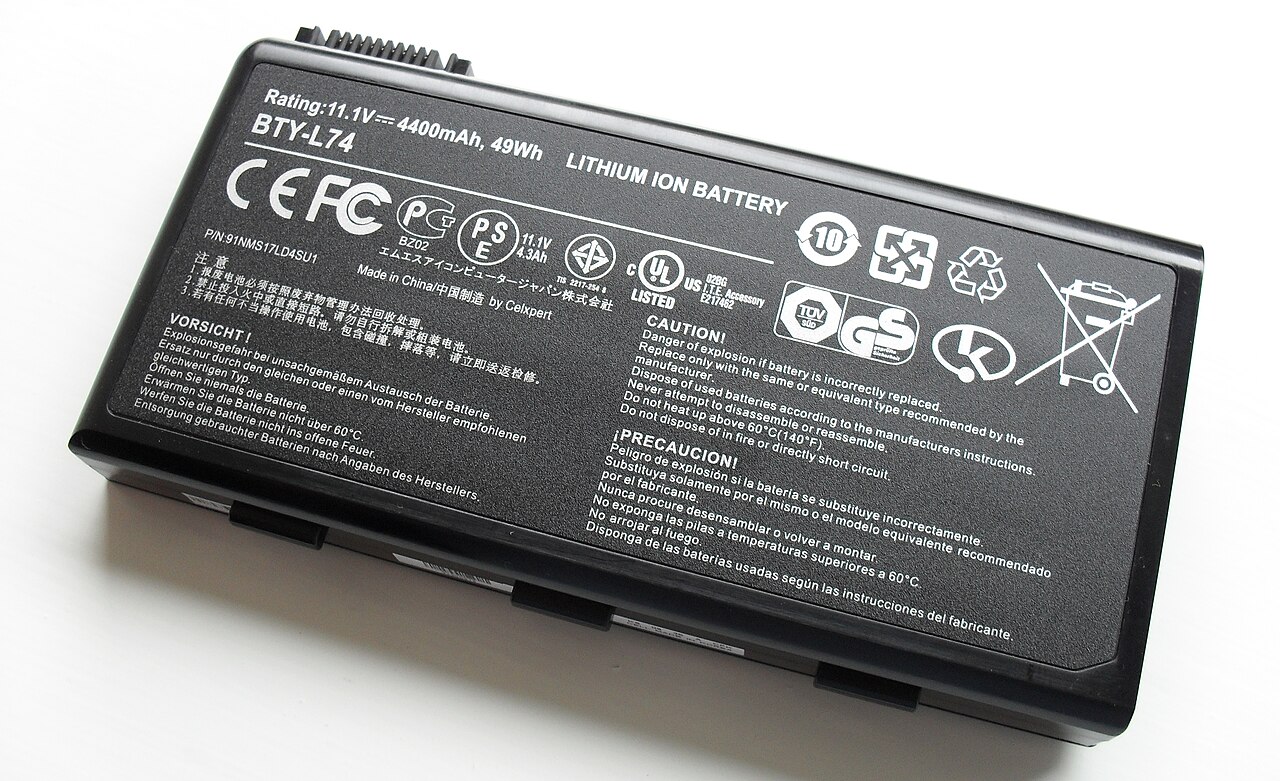
Lithium-ion batteries, power banks and spare batteries must travel in carry-on bags, never in checked luggage, under rules from EASA and airlines such as Delta, which caps power banks at 100 watt-hours per passenger. This guide lists the packing rules used by EASA and major airlines, plus the steps crew and regulators say passengers should follow if a battery overheats in flight, after a British Airways power bank fire forced a jet back to Gatwick in October 2026.
A Power Bank Fire Forces a British Airways Flight Back to Gatwick
On October 16, 2026, a British Airways flight returned to London Gatwick Airport roughly 15 minutes after takeoff when a passenger's portable charger ignited inside his pocket, according to Euro Weekly News and BritBrief. Passengers reported hearing someone shout "fire" and smelling burning before seeing flames in the aisle. Cabin crew extinguished the device; one passenger was treated for burns and others sought care over possible smoke inhalation. British Airways said its crew acted swiftly, and the UK Civil Aviation Authority reminded passengers that devices containing lithium batteries, such as power banks or vapes, should be carried in the cabin and never placed in hold bags, according to BritBrief.
Why Lithium-Ion Batteries Catch Fire in the Cabin
Lithium-ion cells can enter a state called thermal runaway, in which internal damage, a short circuit or manufacturing defects cause the battery to overheat rapidly, release flammable gas and in some cases burst into flame. The US Federal Aviation Administration's safety alert SAFO 25002, issued in 2025, said "thermal runaway can occur without warning," according to AeroTime. The FAA's data cited in that alert recorded about 50 battery smoke, fire or overheating events on US flights in 2025, most involving power banks, phones, vapes or laptops. Among the incidents AeroTime detailed: a passenger's phone overheated on an American Airlines flight from Dallas to Madrid on August 5, 2025, and a laptop overheating on a Chicago-to-Portland flight about a month earlier forced a diversion to Casper, Wyoming.
Step-by-Step: How to Pack and Carry Batteries Safely
Keep power banks, spare batteries and loose battery-powered devices in your carry-on bag only — never in checked luggage, under rules from EASA and airlines including Delta.
Check the watt-hour (Wh) rating printed on your power bank or spare battery before you travel; Delta caps spare batteries at 160 Wh and allows no more than two batteries in the 100–160 Wh range.
Limit the number of power banks and spares you bring to what your airline allows — Delta, for example, permits up to two power banks and up to 20 spare batteries per passenger.
Protect battery terminals from short-circuiting, as both EASA and Delta require for spare batteries carried in cabin baggage.
Do not recharge a power bank, or use one to recharge another device, during taxi, takeoff or landing, per EASA and Delta policy.
Keep your power bank and devices within reach, such as under the seat in front of you, rather than packed away in an overhead-bin bag, so a problem can be spotted early.
If you must check a bag, remove any power bank or spare battery first and keep it with you in the cabin.
Do not travel with a battery or device that is visibly damaged, swollen, cracked or subject to a manufacturer recall; airlines including Delta prohibit these outright.
If checking a device with a built-in battery, such as a laptop, switch it off completely and ensure it cannot be accidentally activated, as EASA recommends.
Only buy power banks and batteries from established retailers, since EASA advises against sourcing them from untrustworthy sellers.
Airline and EASA Rules for Common Battery Items
Item
Where it must travel
Typical quantity/size limit
Key in-flight rule
Power banks
Carry-on only (EASA, Delta)
Up to 2 per passenger; combined 100 Wh cap (Delta)
Cannot be recharged during taxi, takeoff or landing (EASA, Delta)
Spare lithium batteries
Carry-on only (EASA, Delta)
Up to 20 per passenger; only 2 allowed between 100–160 Wh (Delta)
Terminals must be individually protected against short-circuit (Delta)
Devices with built-in battery (phone, laptop, tablet)
Carry-on preferred; checked baggage allowed if fully off (EASA)
No stated numeric cap in sources reviewed
Must be protected from accidental activation if checked (EASA)
Damaged or recalled batteries/devices
Not accepted
None
Prohibited outright by airlines such as Delta
What to Do If a Battery Overheats in Flight
Cabin crew are trained to watch for smoke, unusual smells or a device that feels excessively hot, according to Aerospace Global News. Crew typically use an electrical fire extinguisher to knock down flames, and many airlines now carry fire-resistant pouches or containers filled with sand or gel to isolate a malfunctioning battery and stop a fire from spreading. Crew also alert the pilots, who can adjust flight plans and contact air traffic control, while passengers are instructed to power down devices and remain calm, Aerospace Global News reported. The FAA's SAFO 25002 also told airlines to train crew that cooling an overheated battery — not relying on an extinguisher alone — helps prevent it reigniting, according to AeroTime. The FAA's alert additionally urged airlines to reassess where passengers are told to store devices, since a battery smoking inside an overhead bin is harder for crew to detect quickly.
Thermal runaway can occur without warning.
— FAA Safety Alert for Operators (SAFO) 25002, 2025
Questions
Can I put power banks or spare batteries in checked luggage?
No. EASA and airlines such as Delta require power banks and spare lithium batteries to travel in carry-on baggage only, never in checked bags, so a fire can be spotted and handled quickly rather than developing unseen in the cargo hold.
How many power banks can I bring on a flight?
Limits vary by airline. Delta, for example, allows up to two power banks per passenger with a combined capacity of no more than 100 watt-hours.
What should I do if my phone, laptop or power bank starts smoking during a flight?
Alert cabin crew immediately instead of handling it yourself. Crew are trained to use fire extinguishers and, on many airlines, fire-resistant pouches filled with sand or gel to isolate the device, according to Aerospace Global News and AeroTime's reporting on FAA guidance.
Why are lithium-battery incidents on planes getting more attention?
The FAA's 2025 safety alert, SAFO 25002, pointed to a rising number of personal electronics and power banks in cabins; FAA data cited in the alert recorded roughly 50 battery smoke, fire or overheating events on US flights in 2025, most involving power banks, phones, vapes or laptops.
What happened on the British Airways flight that returned to Gatwick?
A passenger's power bank ignited in his pocket about 15 minutes after takeoff on October 16, 2026. Cabin crew extinguished the fire, one passenger was treated for burns, and the aircraft returned to Gatwick, according to Euro Weekly News and BritBrief.
This piece was prepared with artificial intelligence and passed an automated source check before publication. If you see an error, ask for a correction. Request a correction or reply · How we make this
People who reach 110 years old, known as supercentenarians, tend to be lean, eat a low-calorie plant-heavy diet and keep blood pressure and LDL cholesterol in check, according to Spanish cardiologist Manuel de la Peña. A separate, long-running Boston University study finds that a genetic model becomes increasingly predictive of survival the older a person gets, reaching about 85% accuracy for who lives past 105.
Most Poles and several other EU populations want to stop changing clocks twice a year and keep permanent summer time, but scientists say permanent standard time, not summer time, brings the larger health benefit. The EU has been unable to agree on which option to adopt since 2019, so the biannual switch continues in 2026.
Helen Mirren's party-dressing approach pairs one structured layer, one bold fabric or color, and a single statement accessory, according to a styling breakdown of her looks. At 81, she favors comfort and visual impact over age-based dress codes, based on her own public comments.
The "Gen Z stare" is a blank, expressionless silence that some members of Generation Z give instead of a verbal reply, often in customer-service or small-talk situations. Psychologists quoted by CNN and NBC News describe it as a mix of social anxiety, burnout and a rejection of forced cheerfulness, while older generations often read it as rude. Communication experts recommend asking a clarifying question rather than assuming hostility.